Journey of a Lifelong Learner
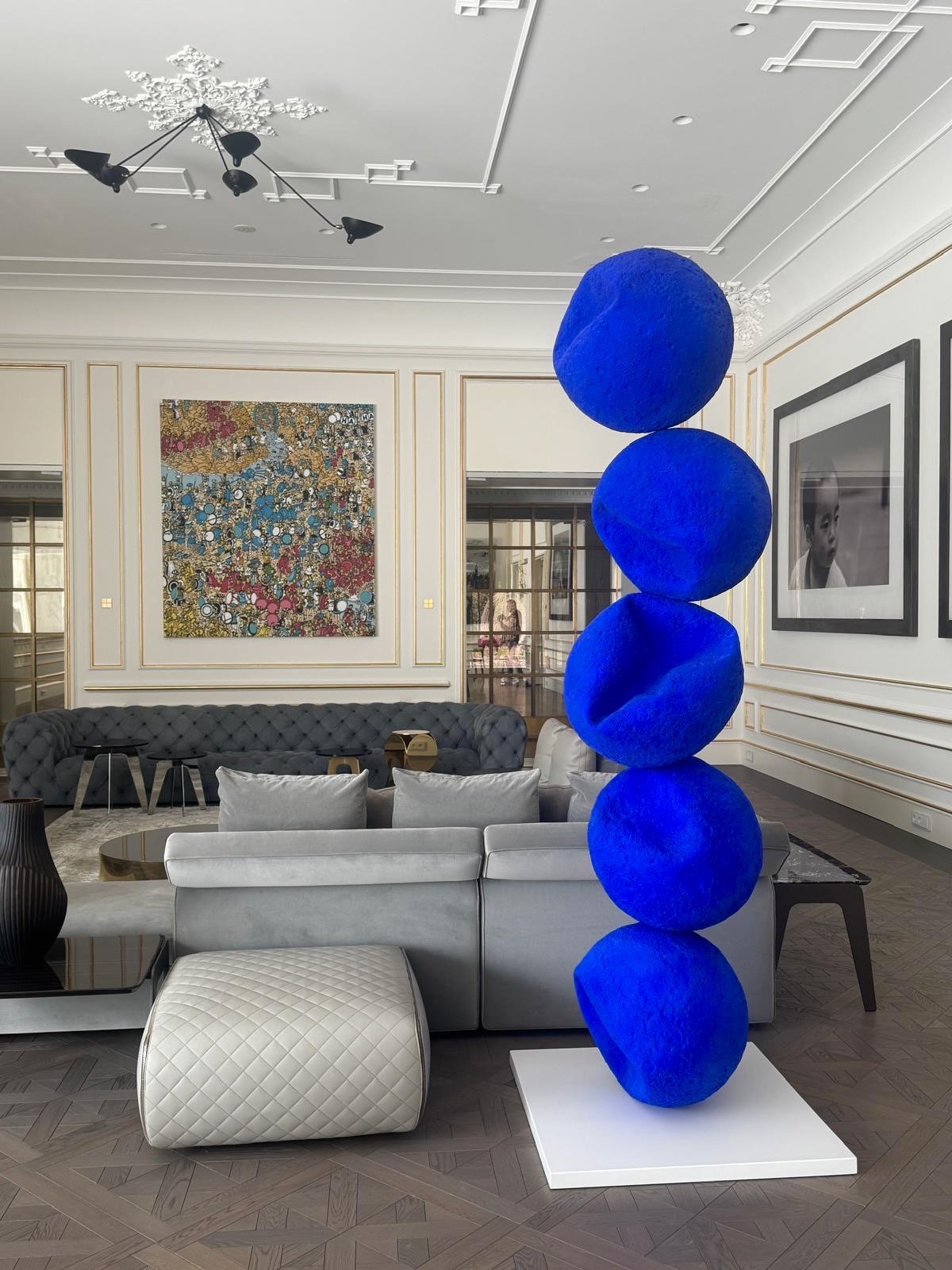
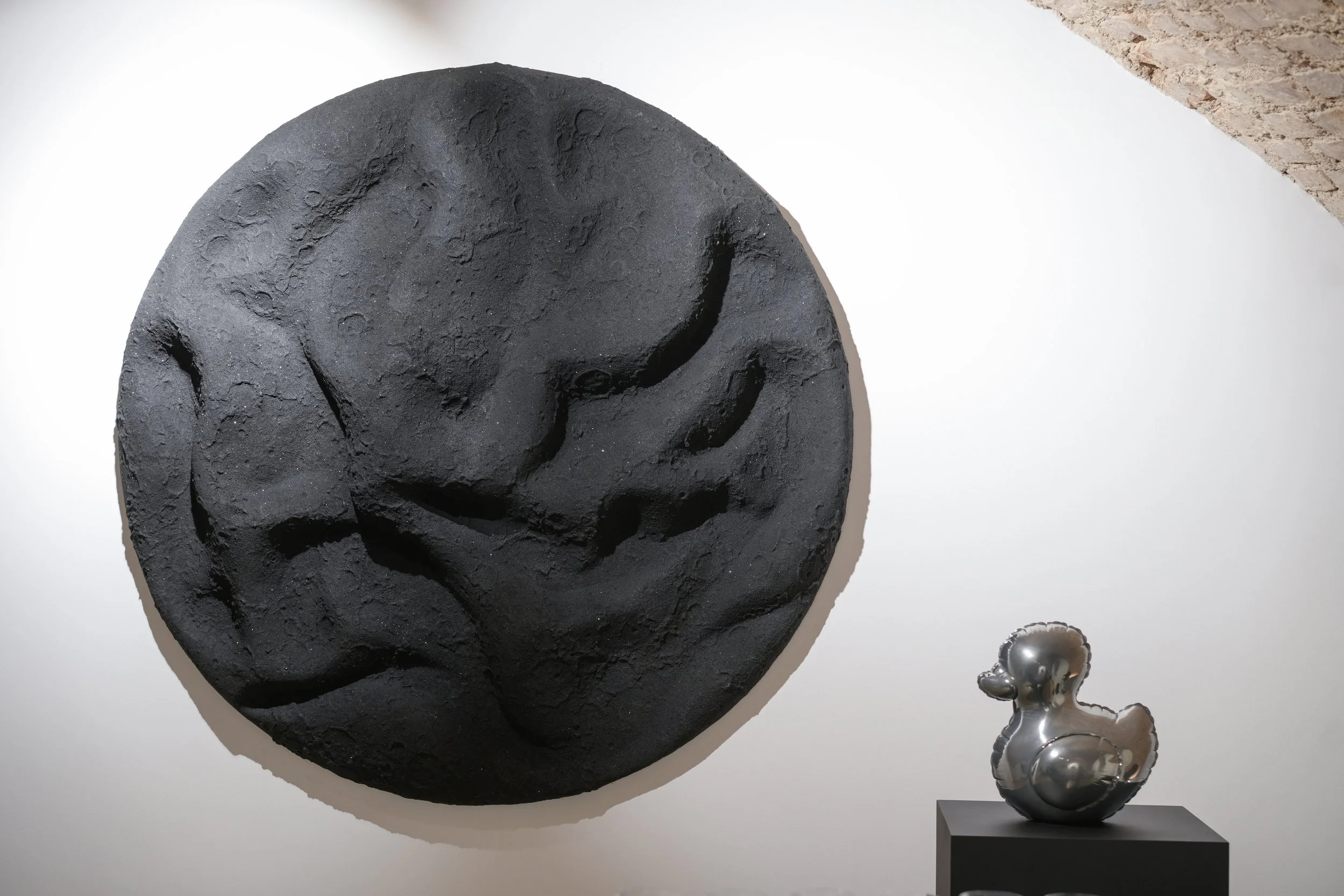
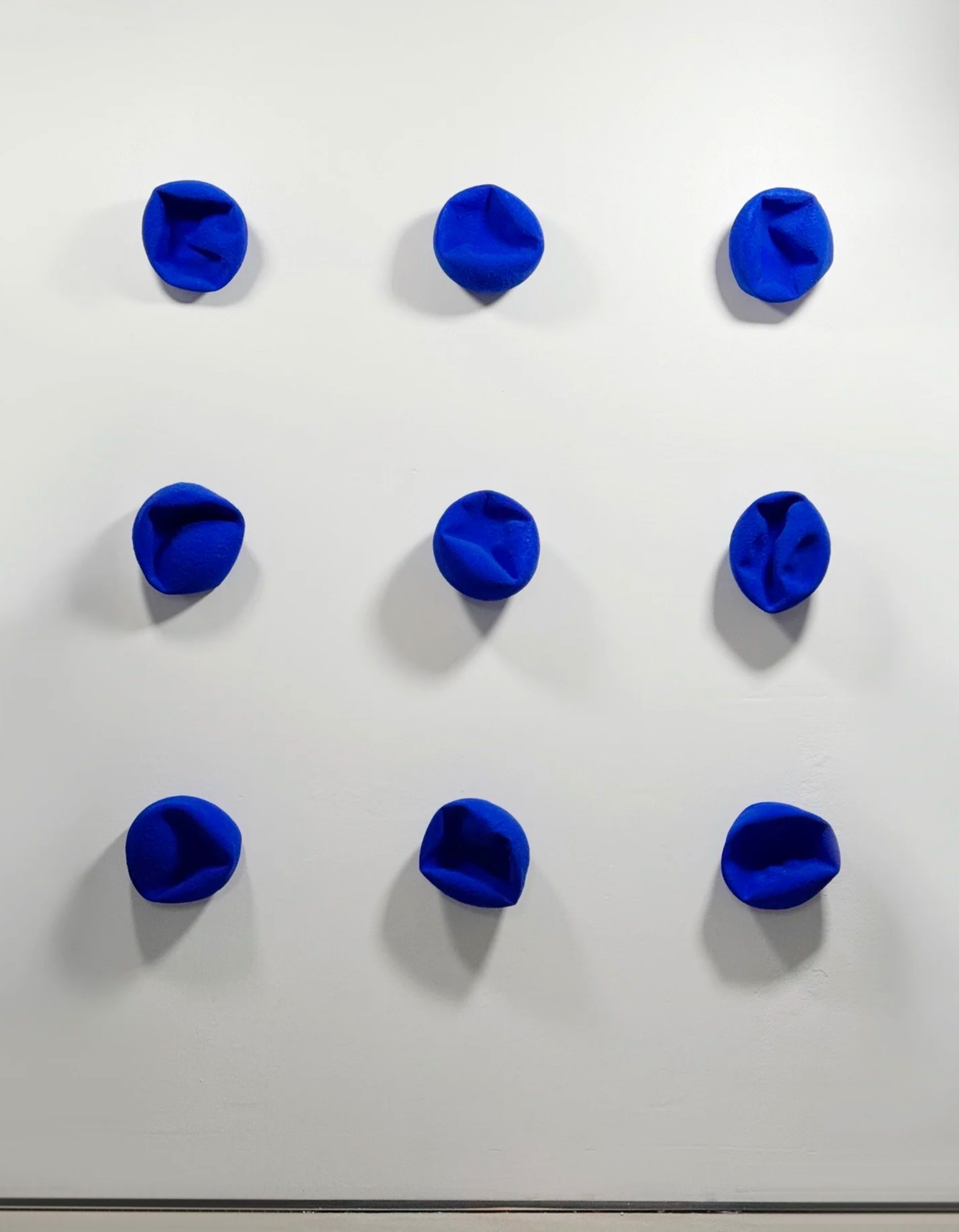
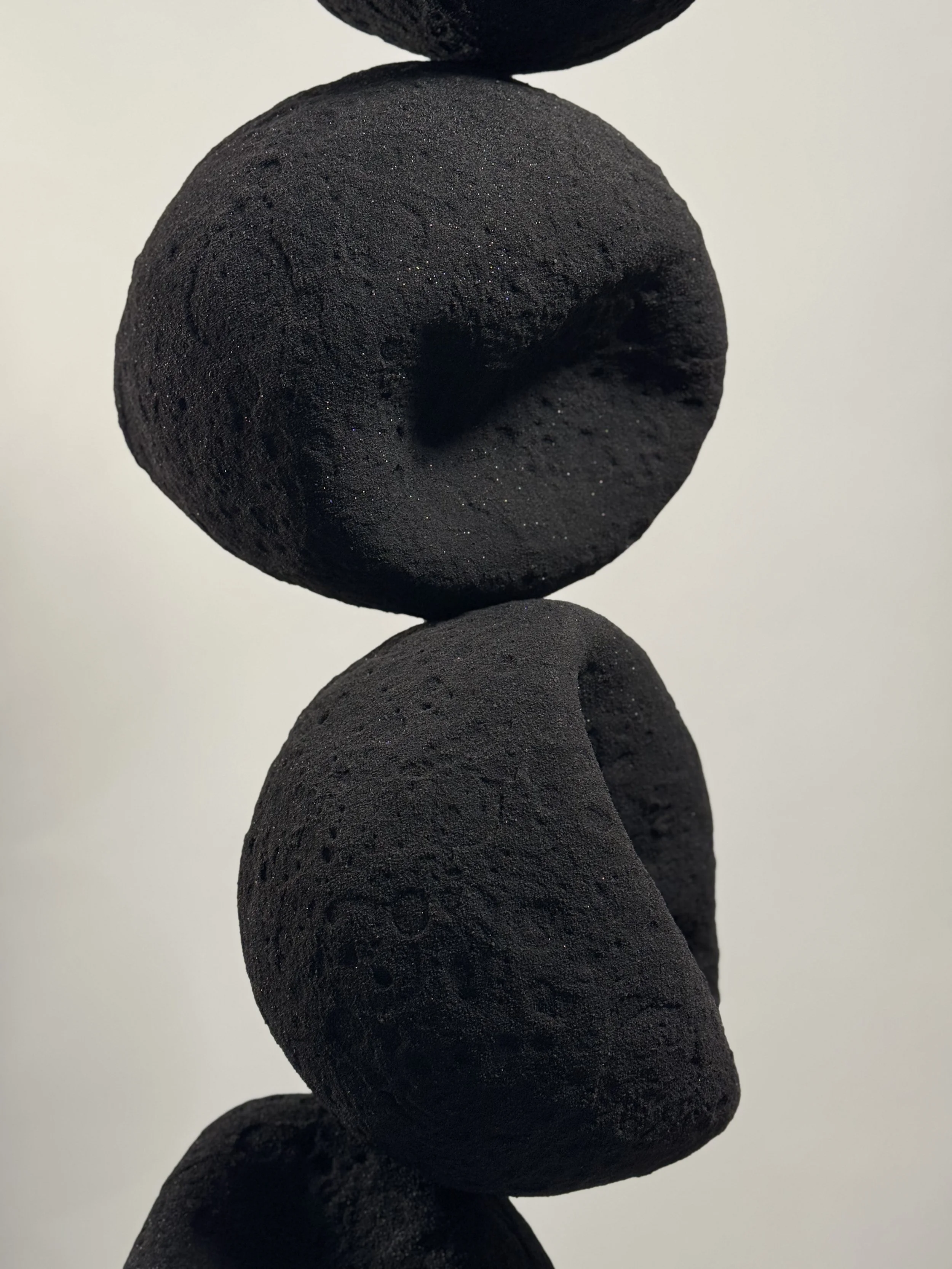
Deflated Moons
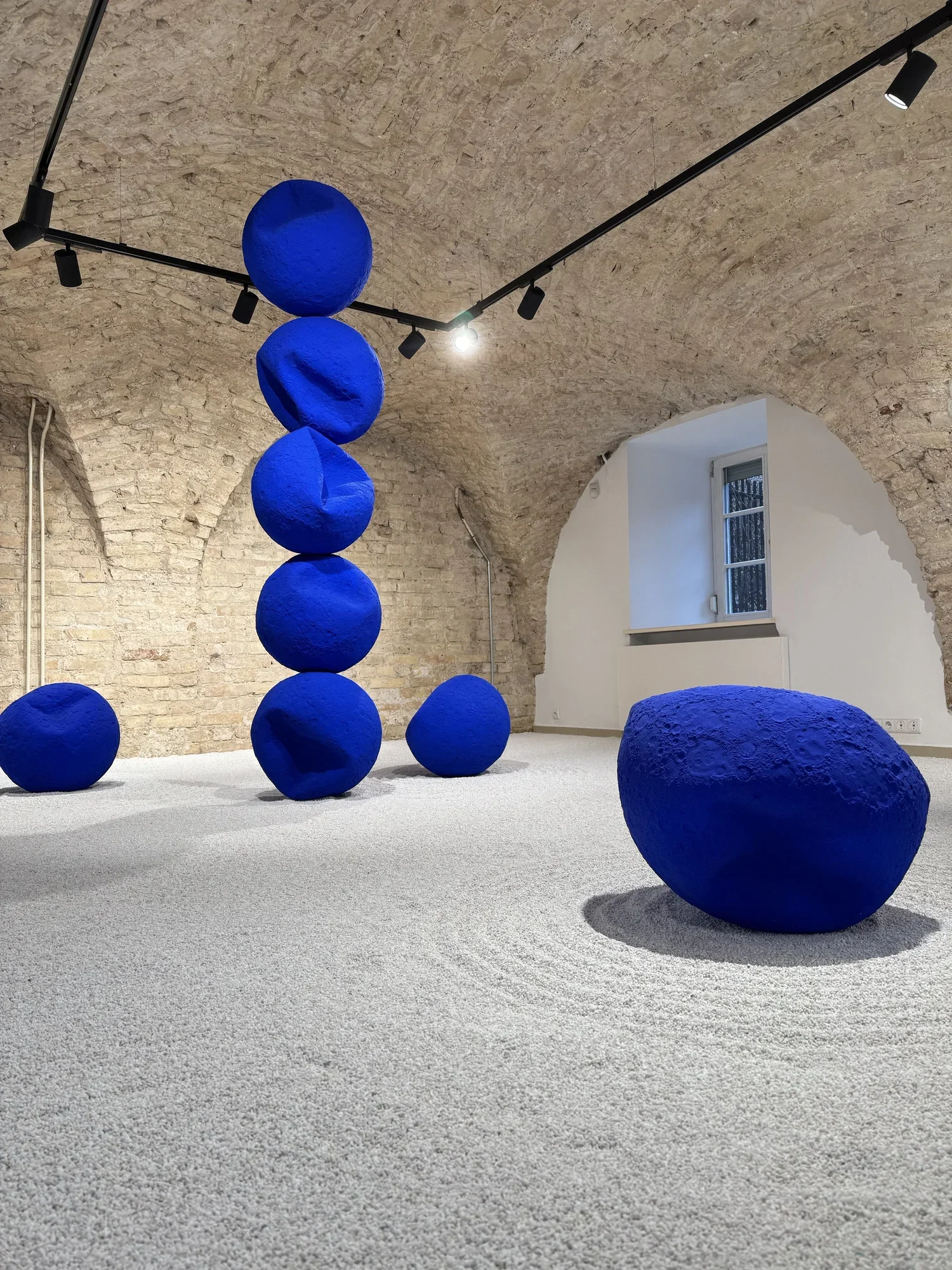
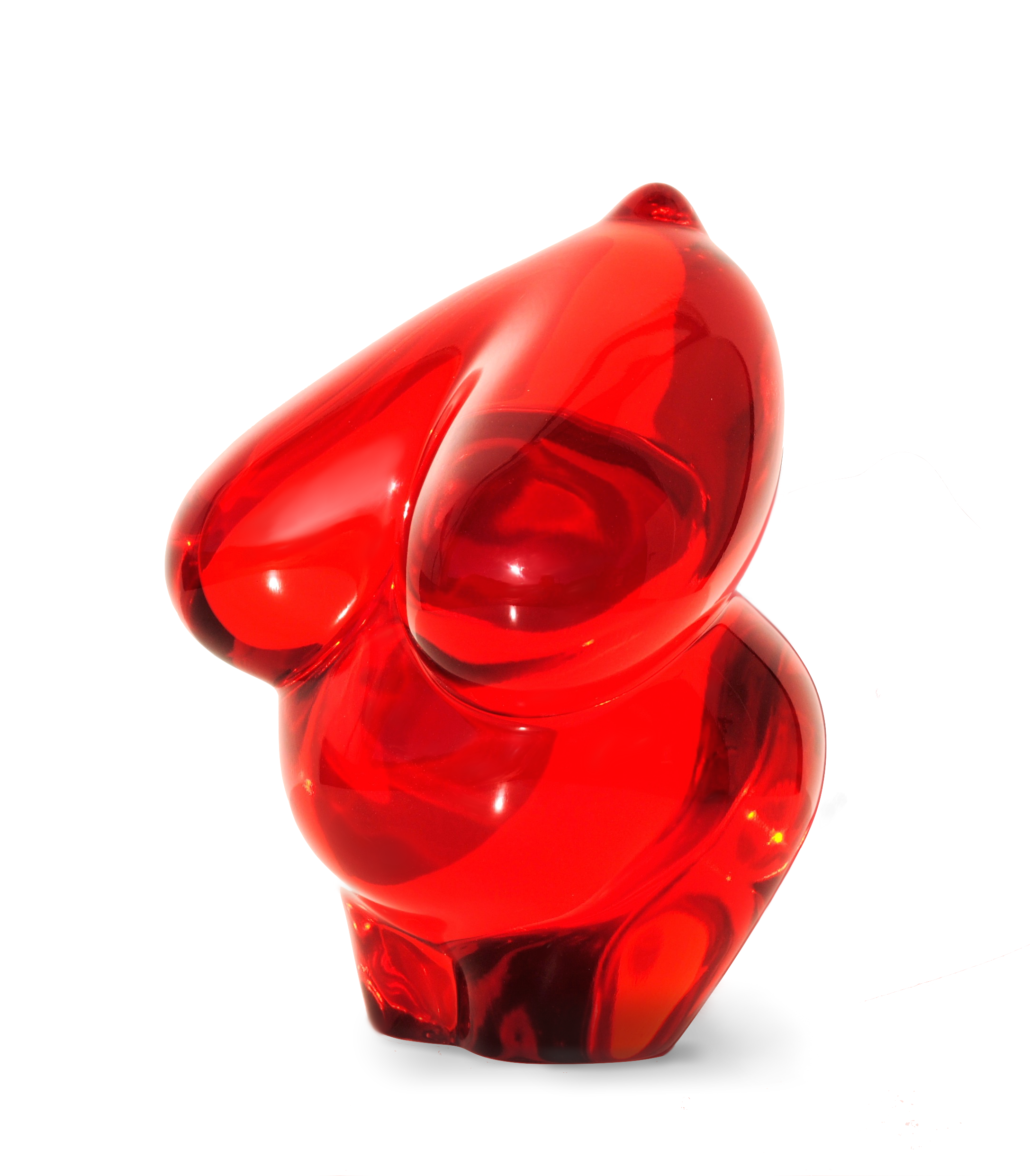
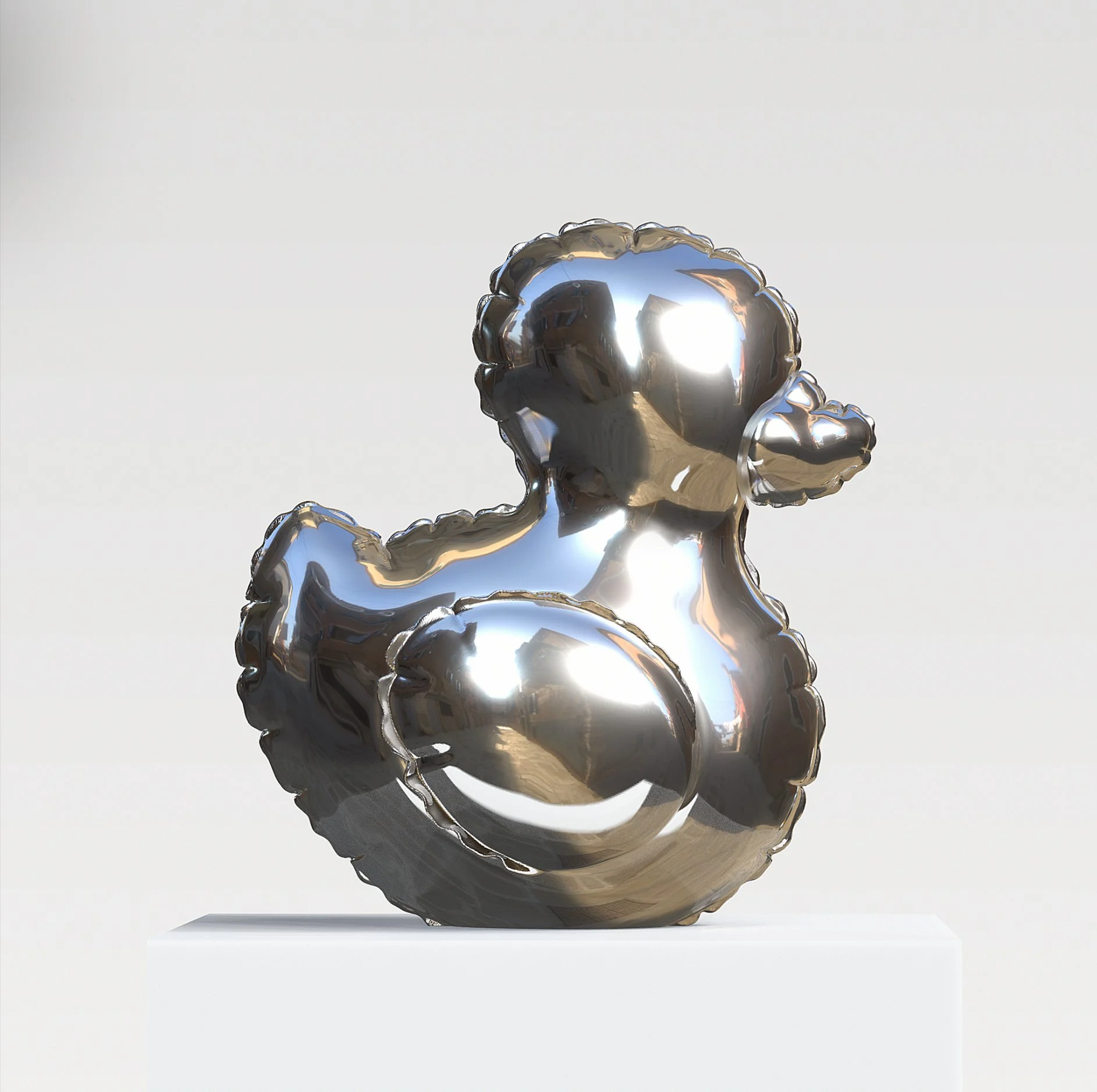
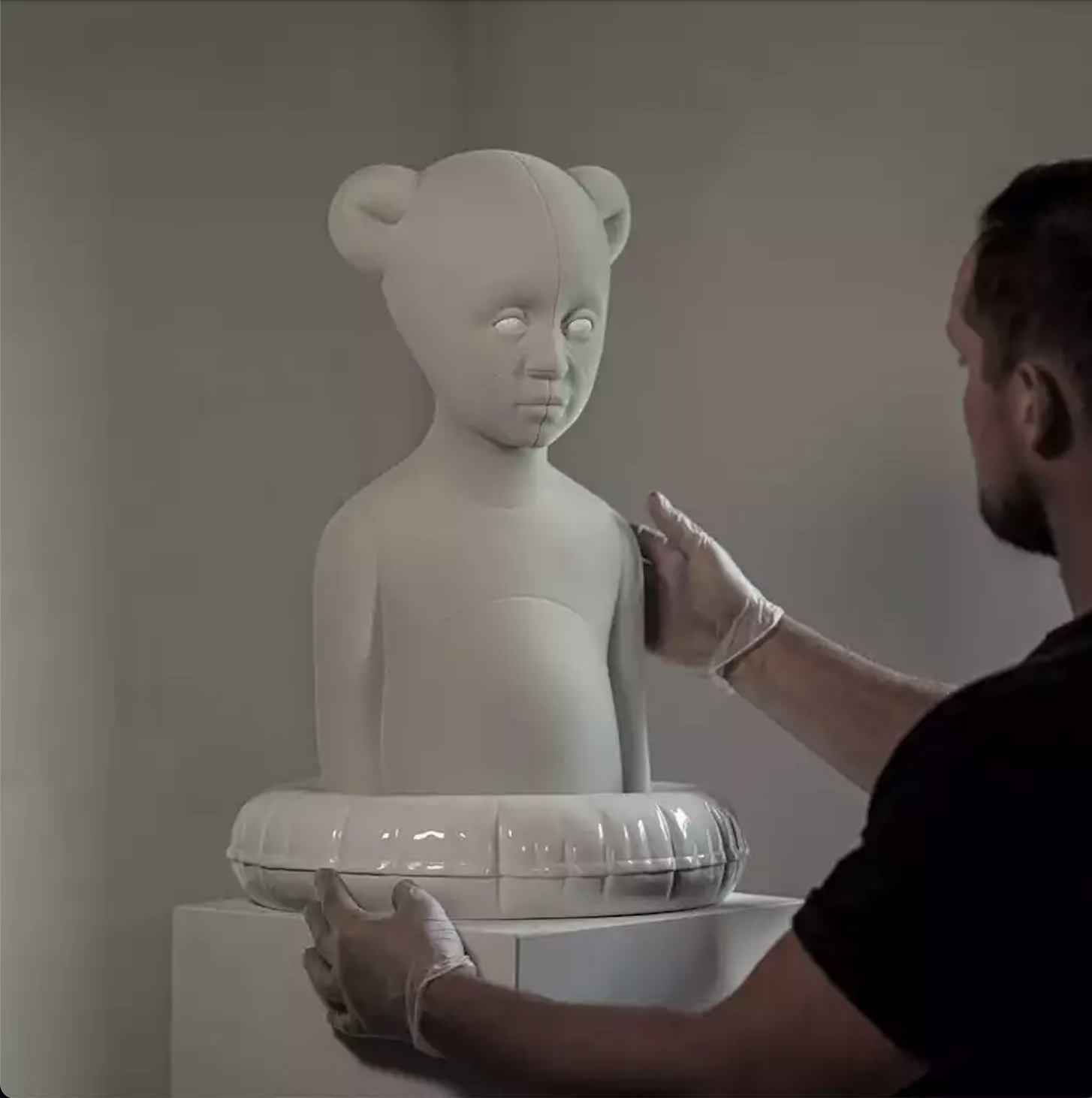
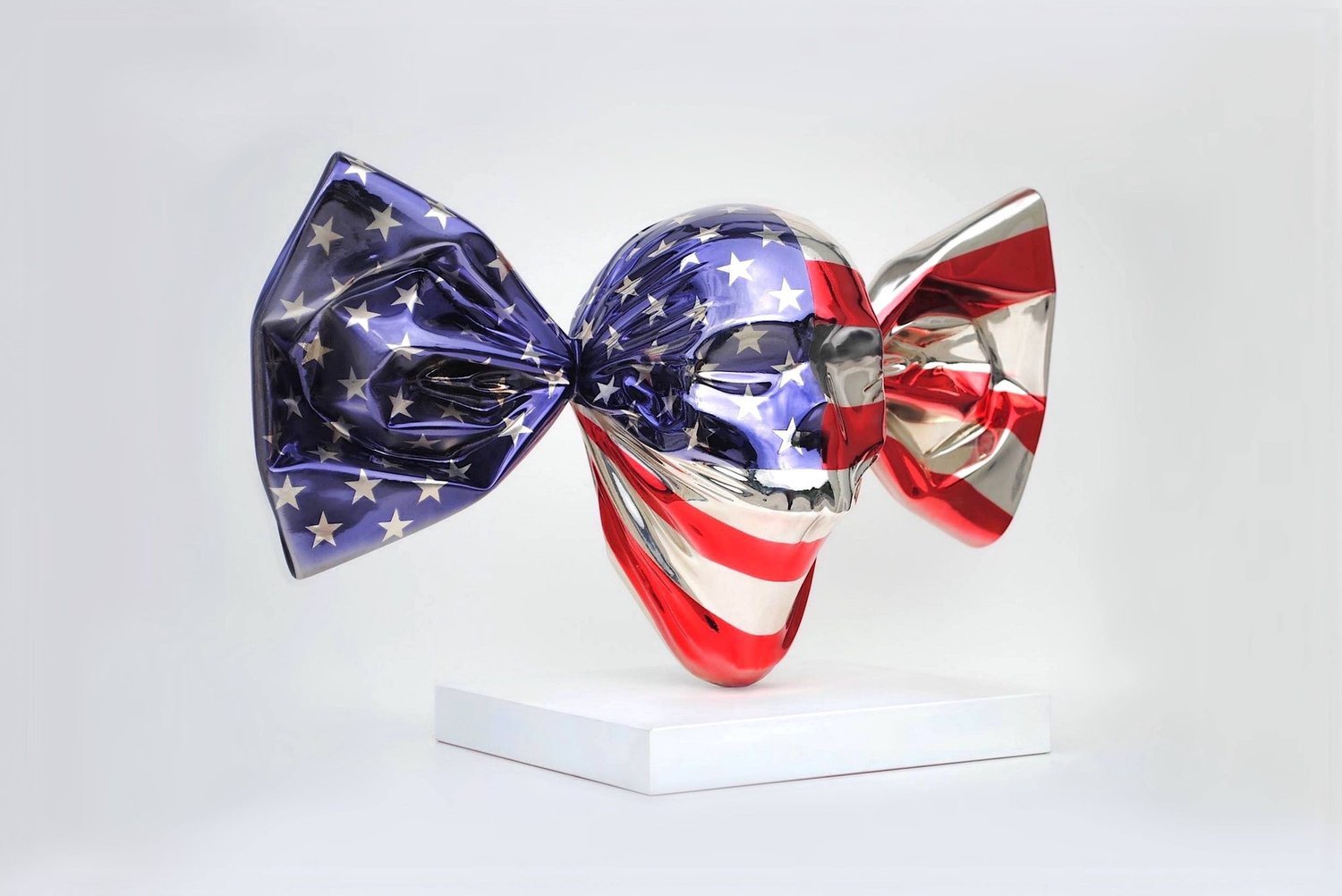
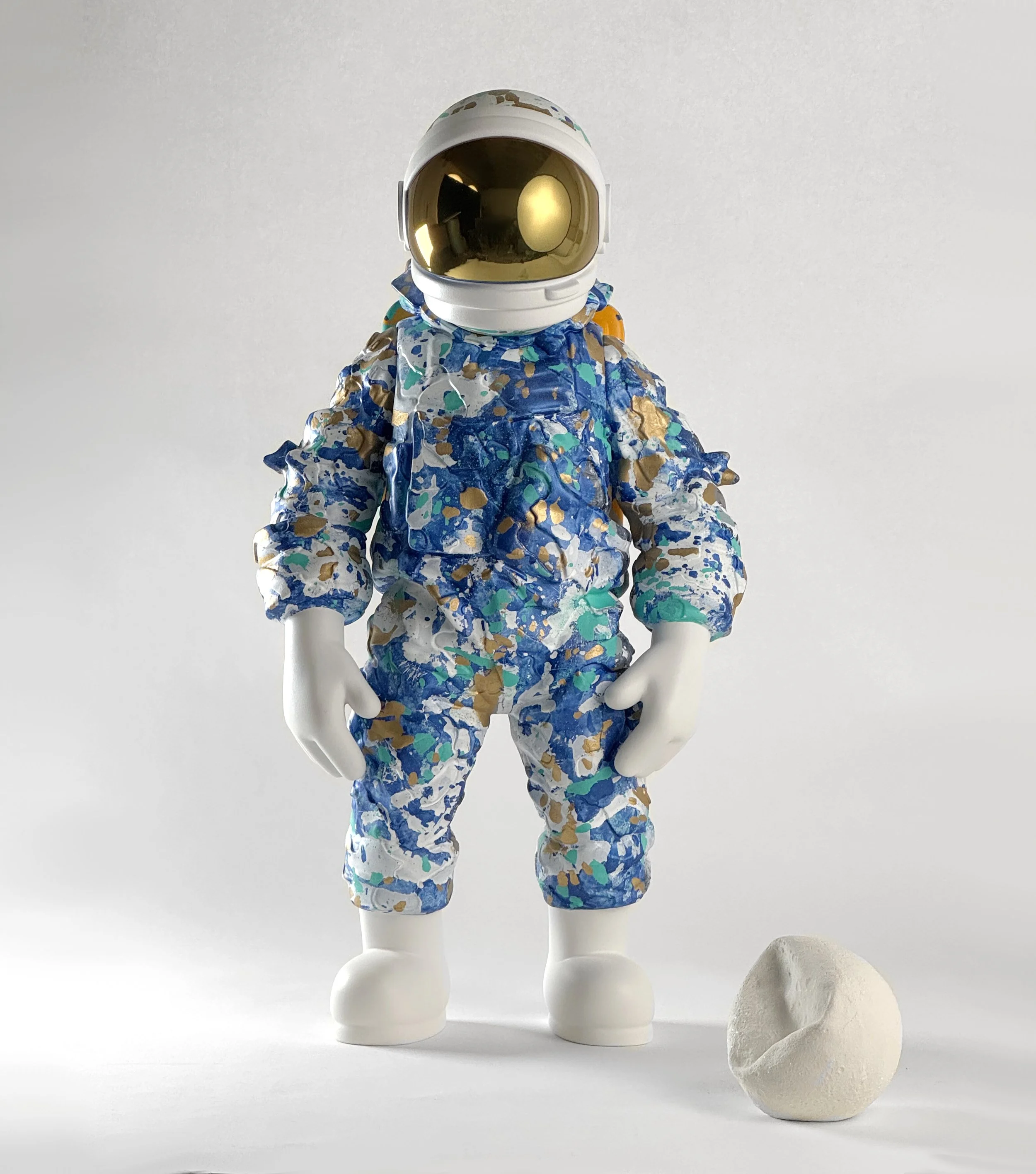
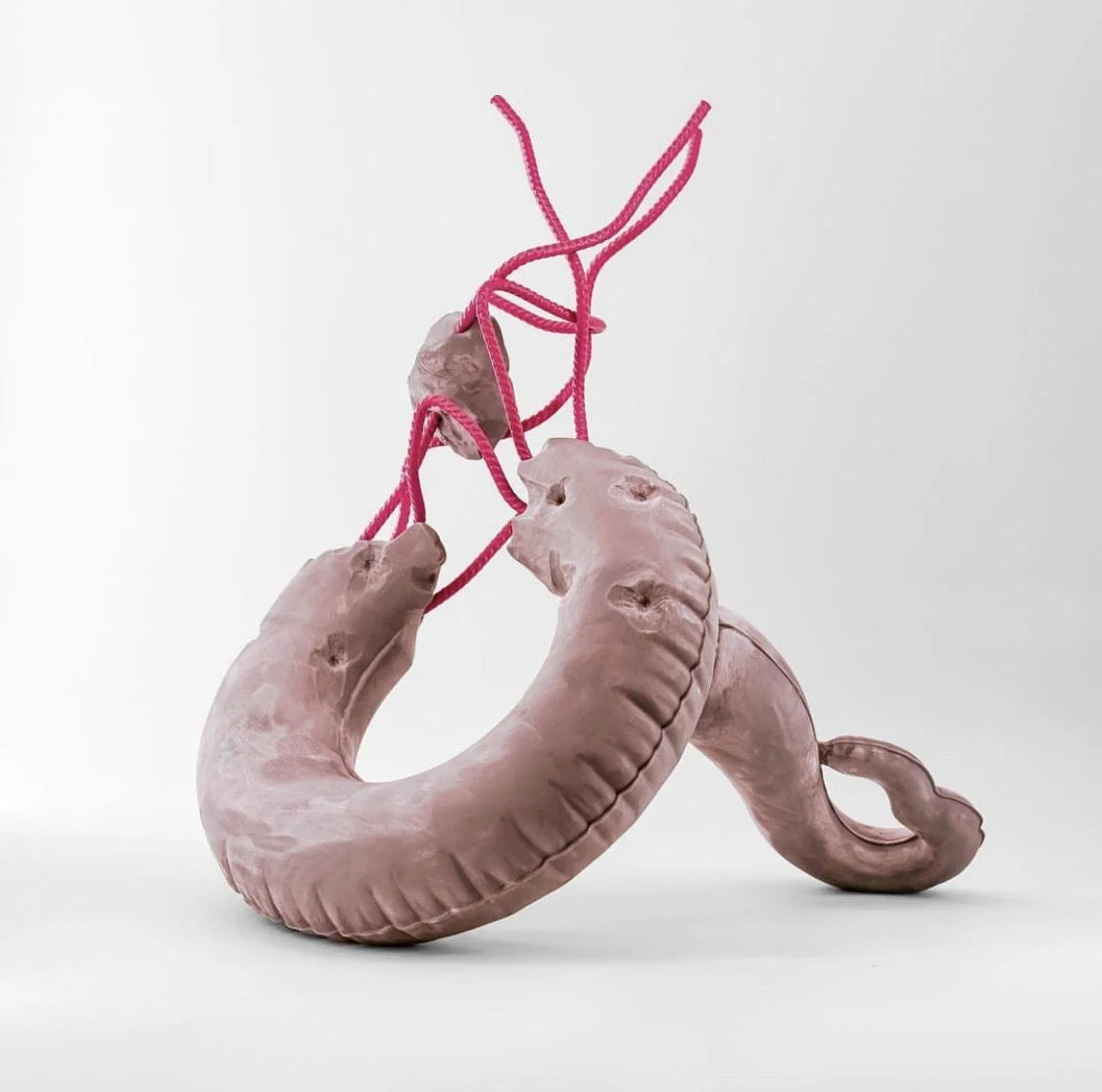
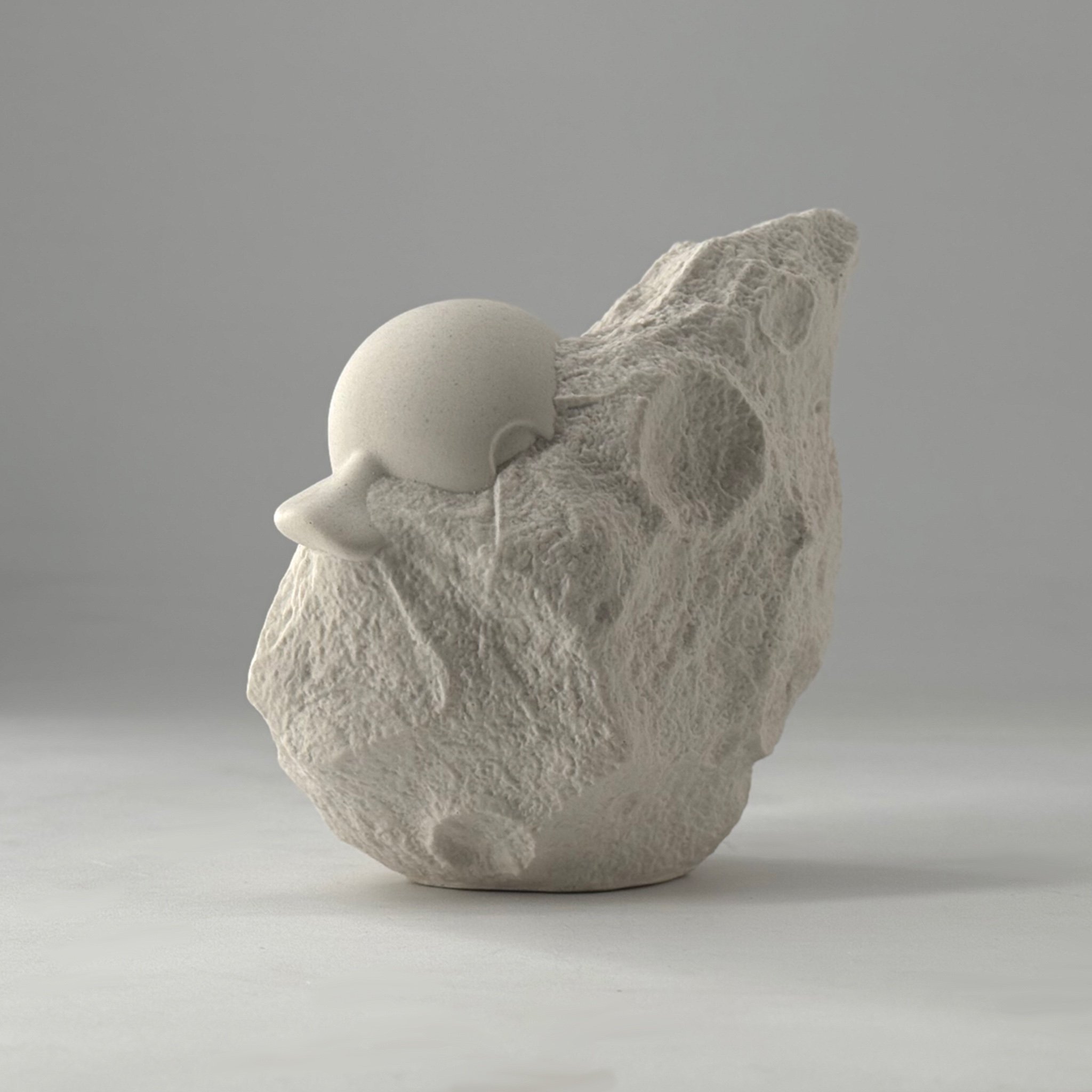
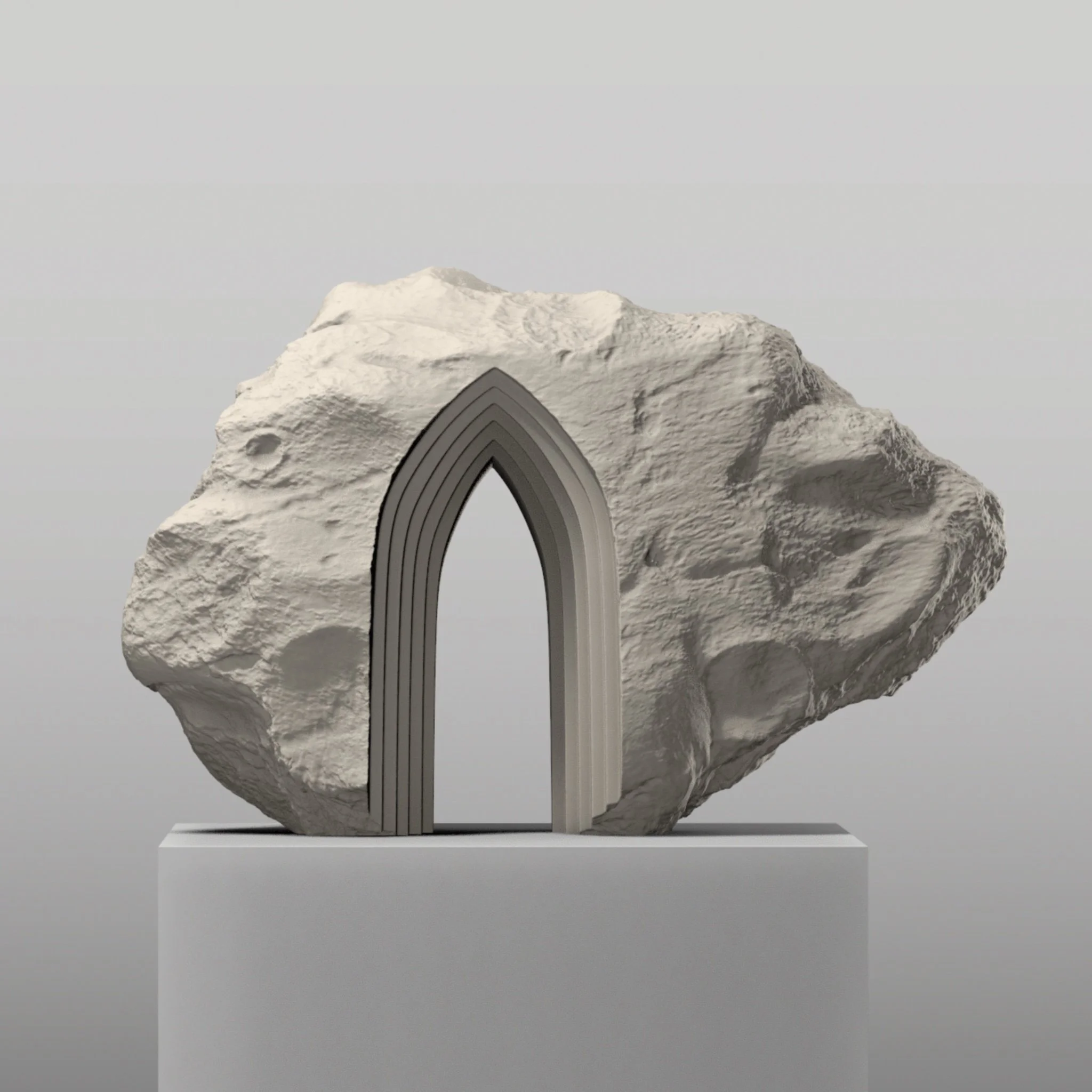
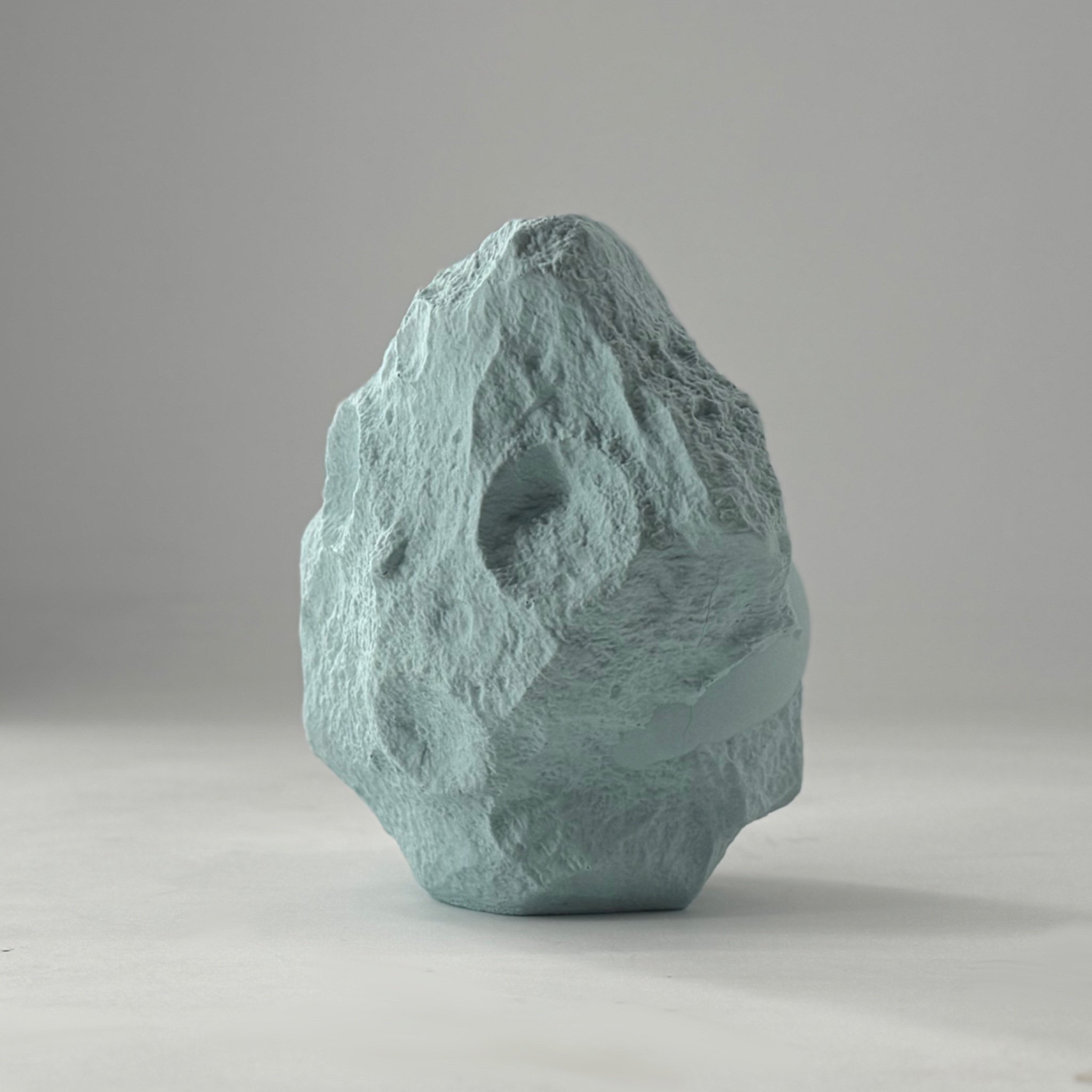
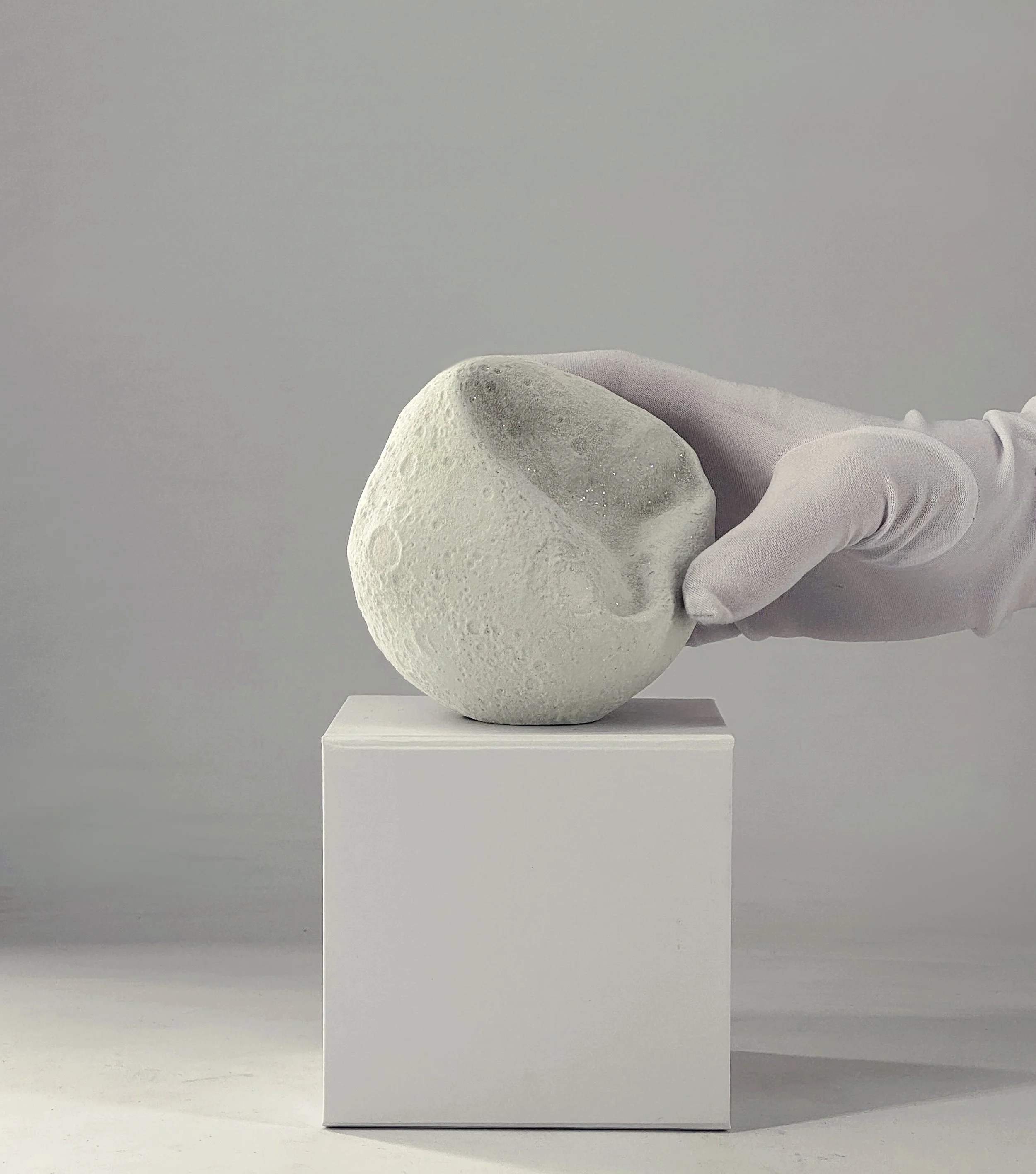
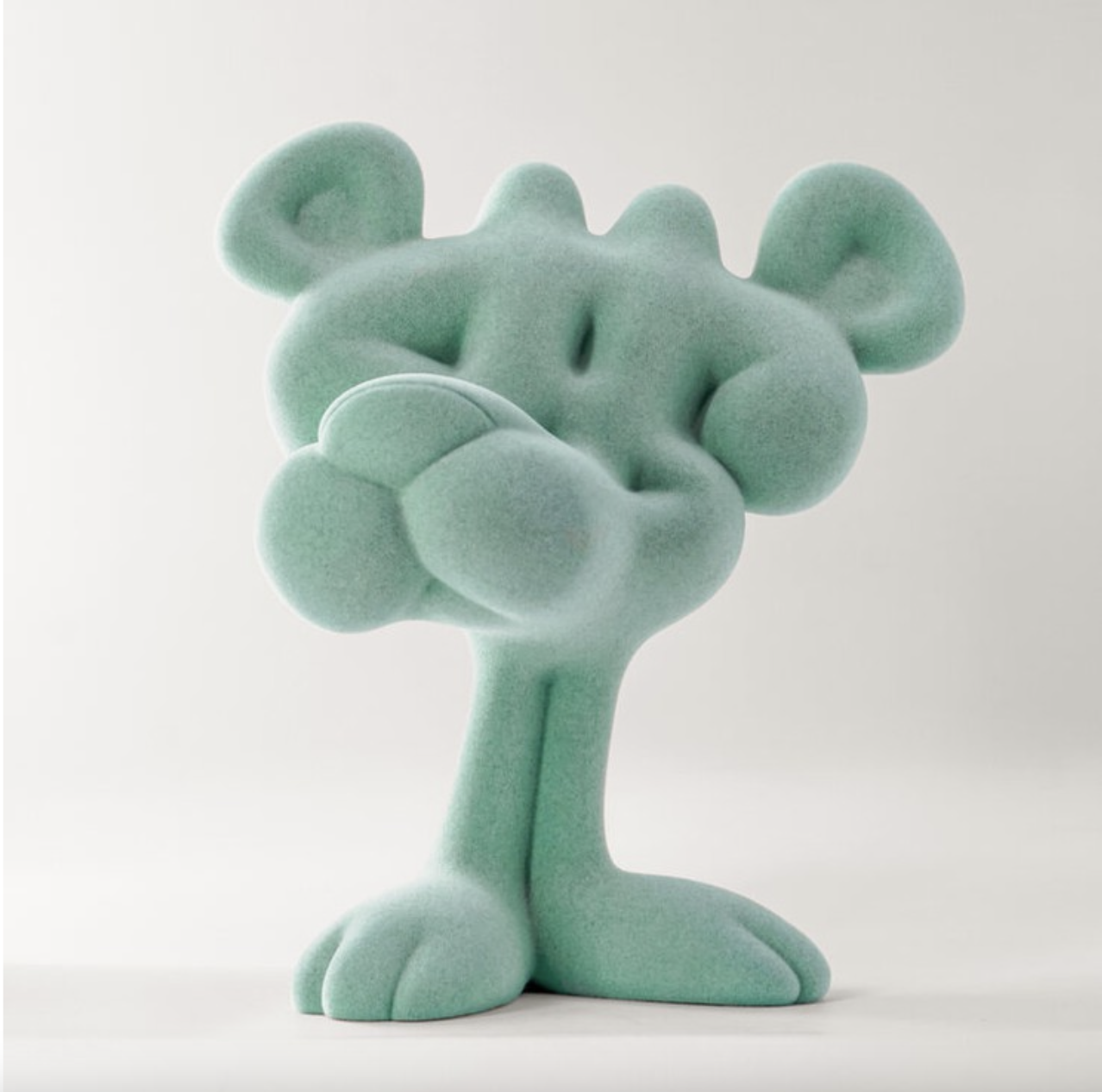
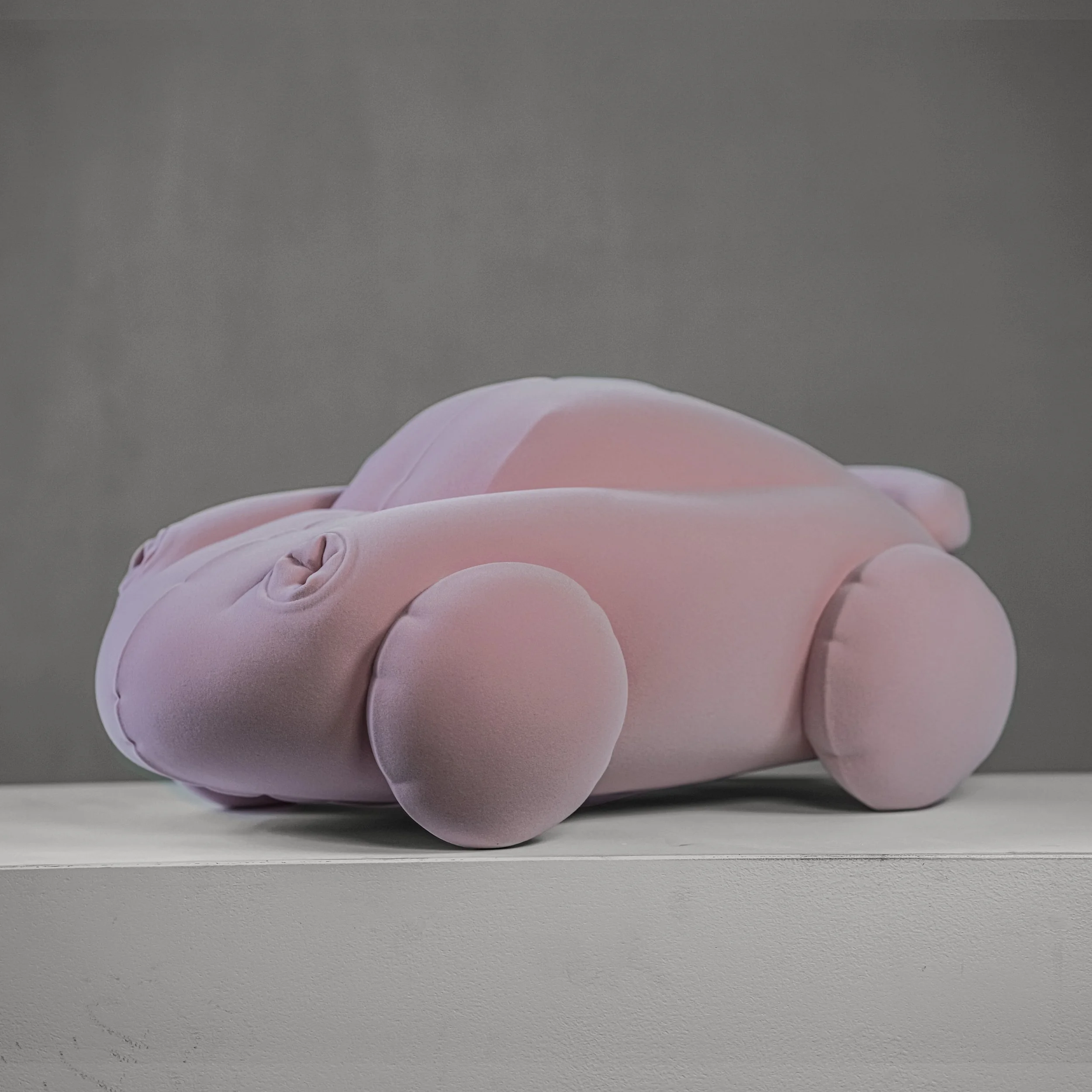
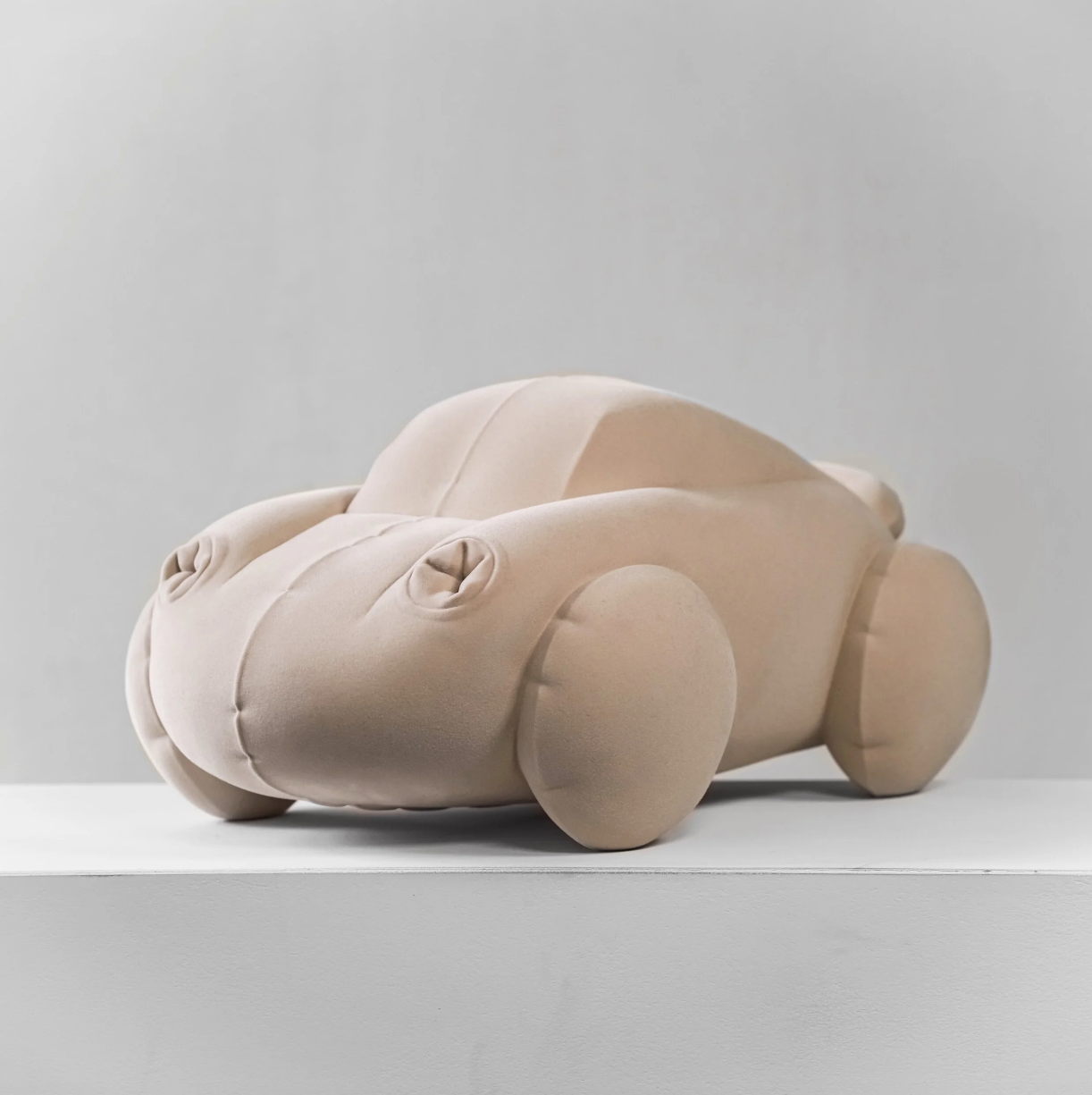
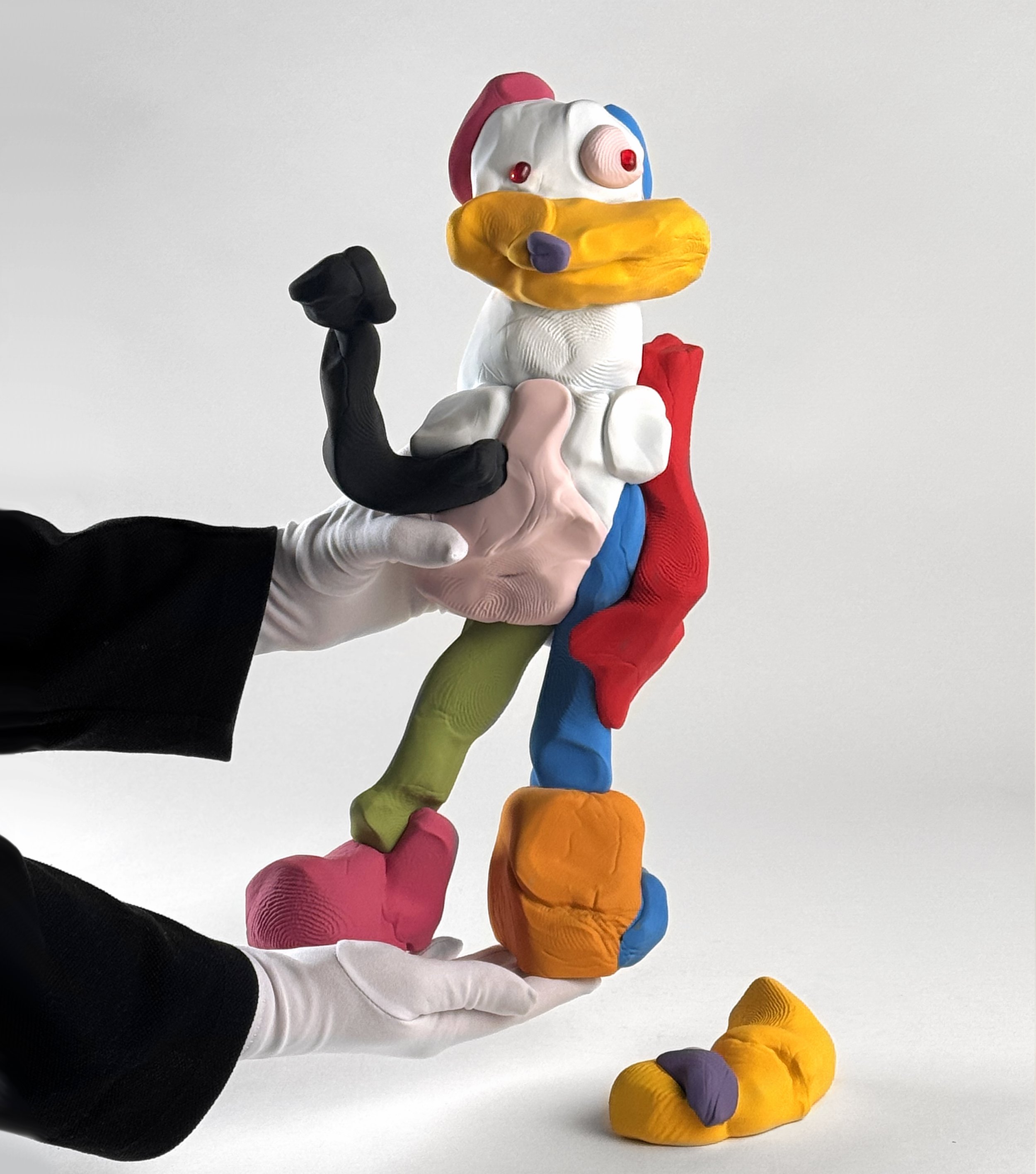
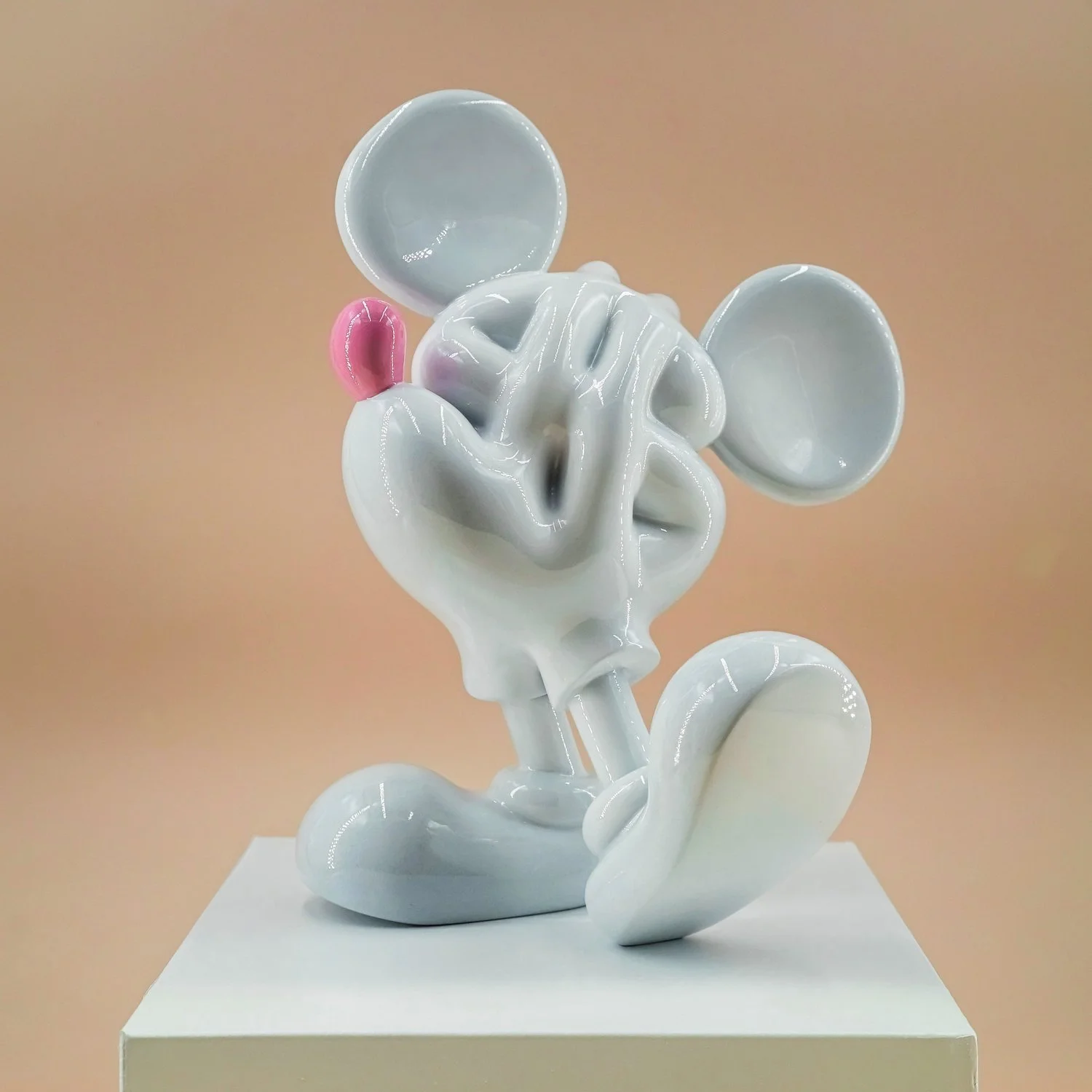
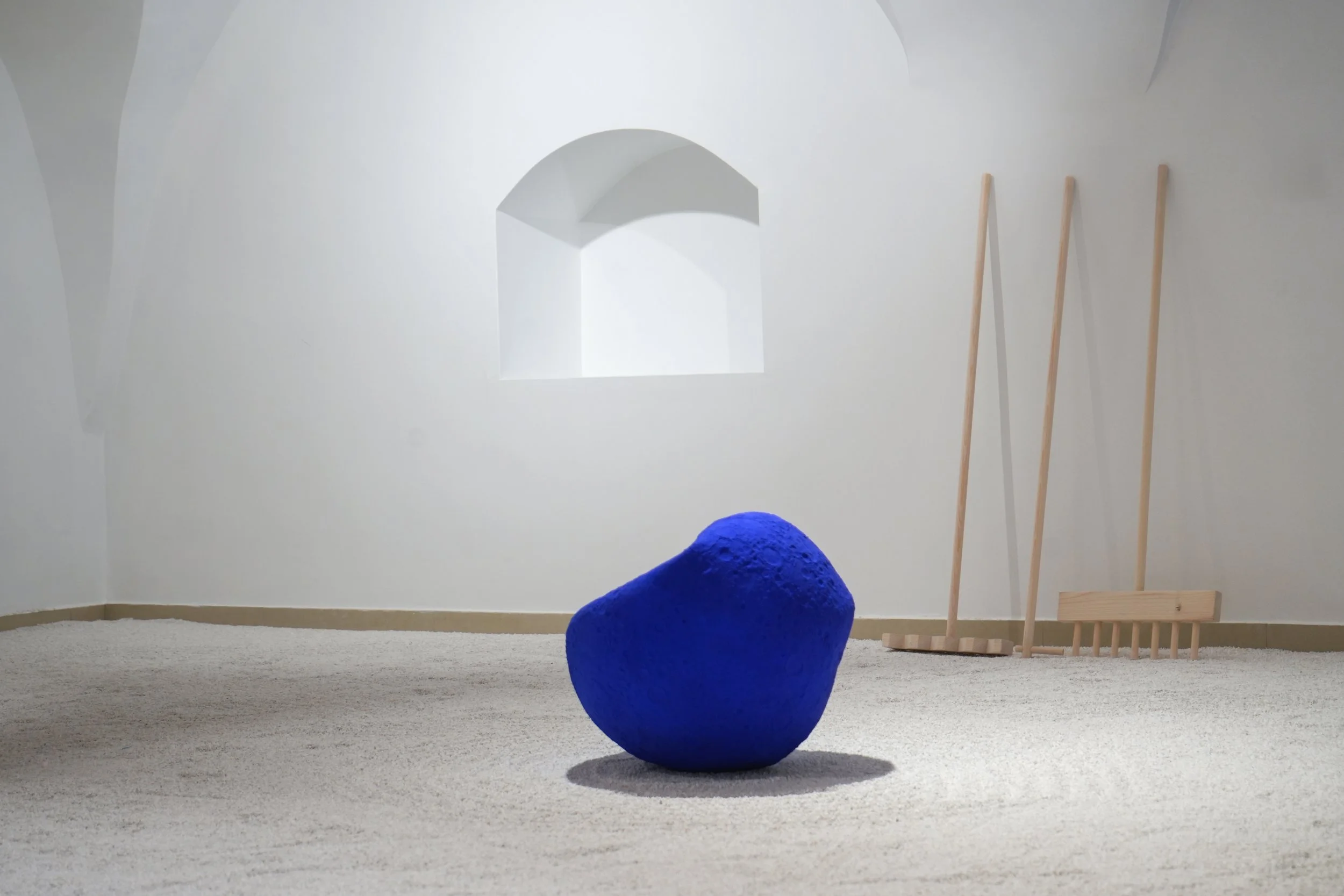
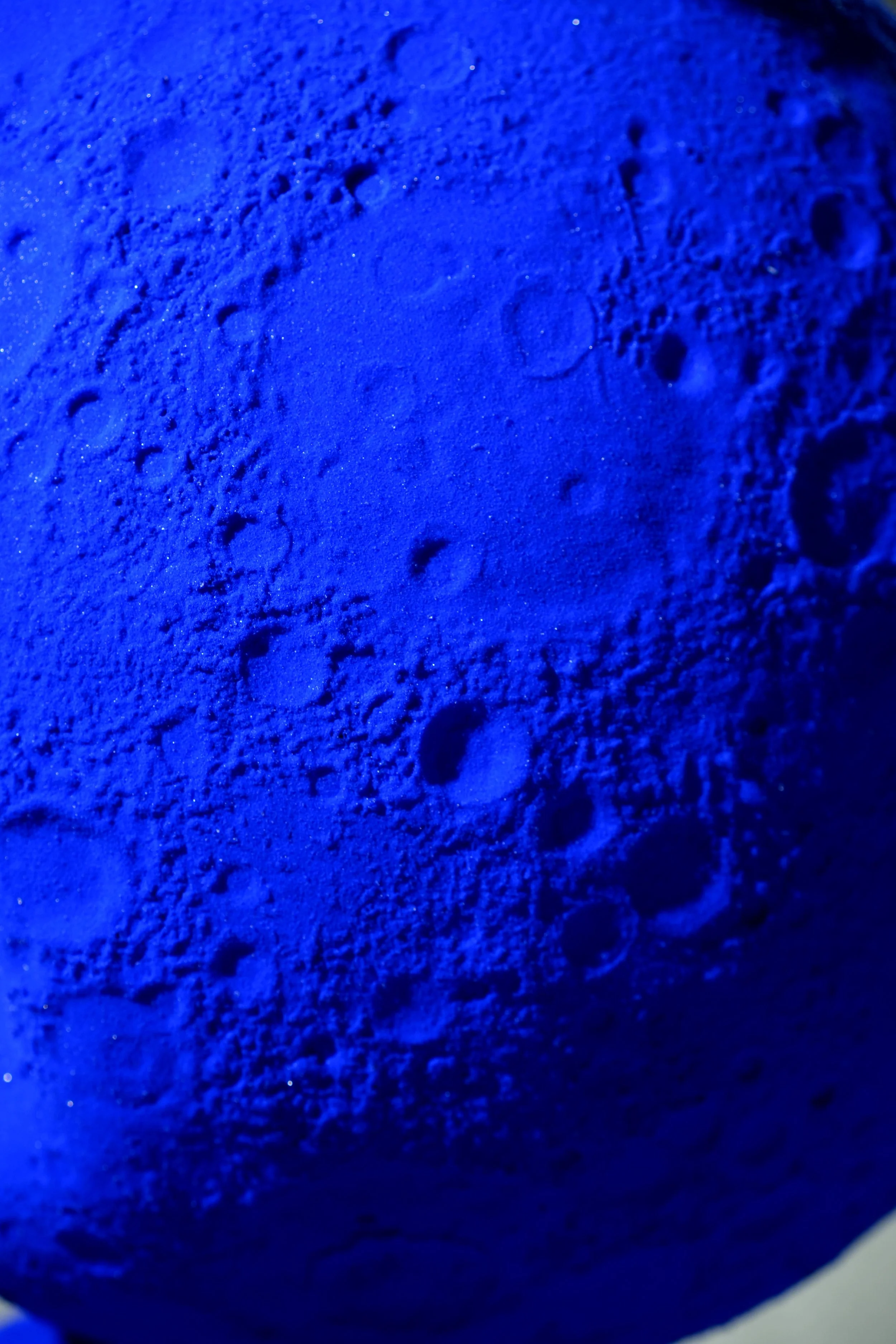
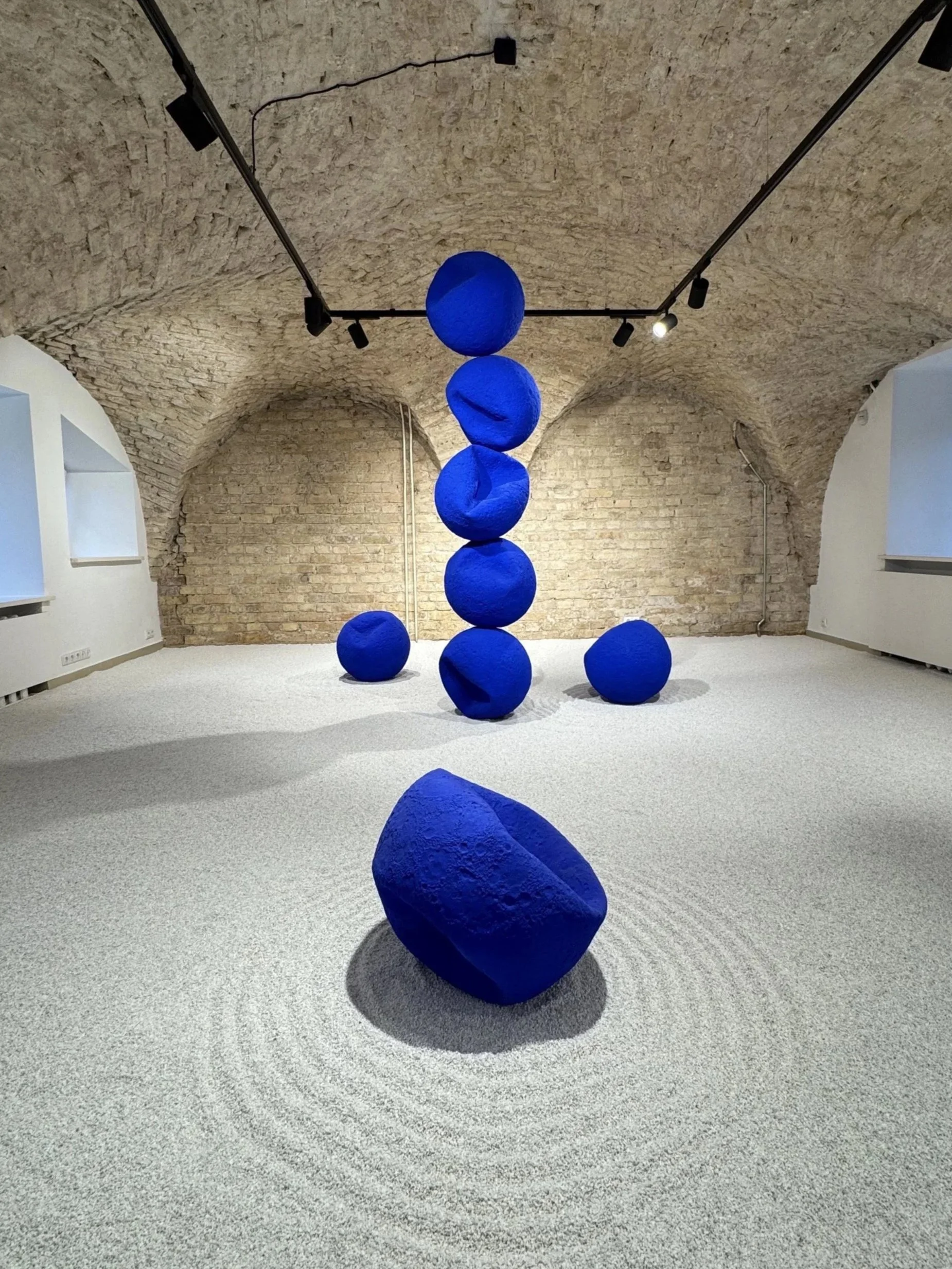
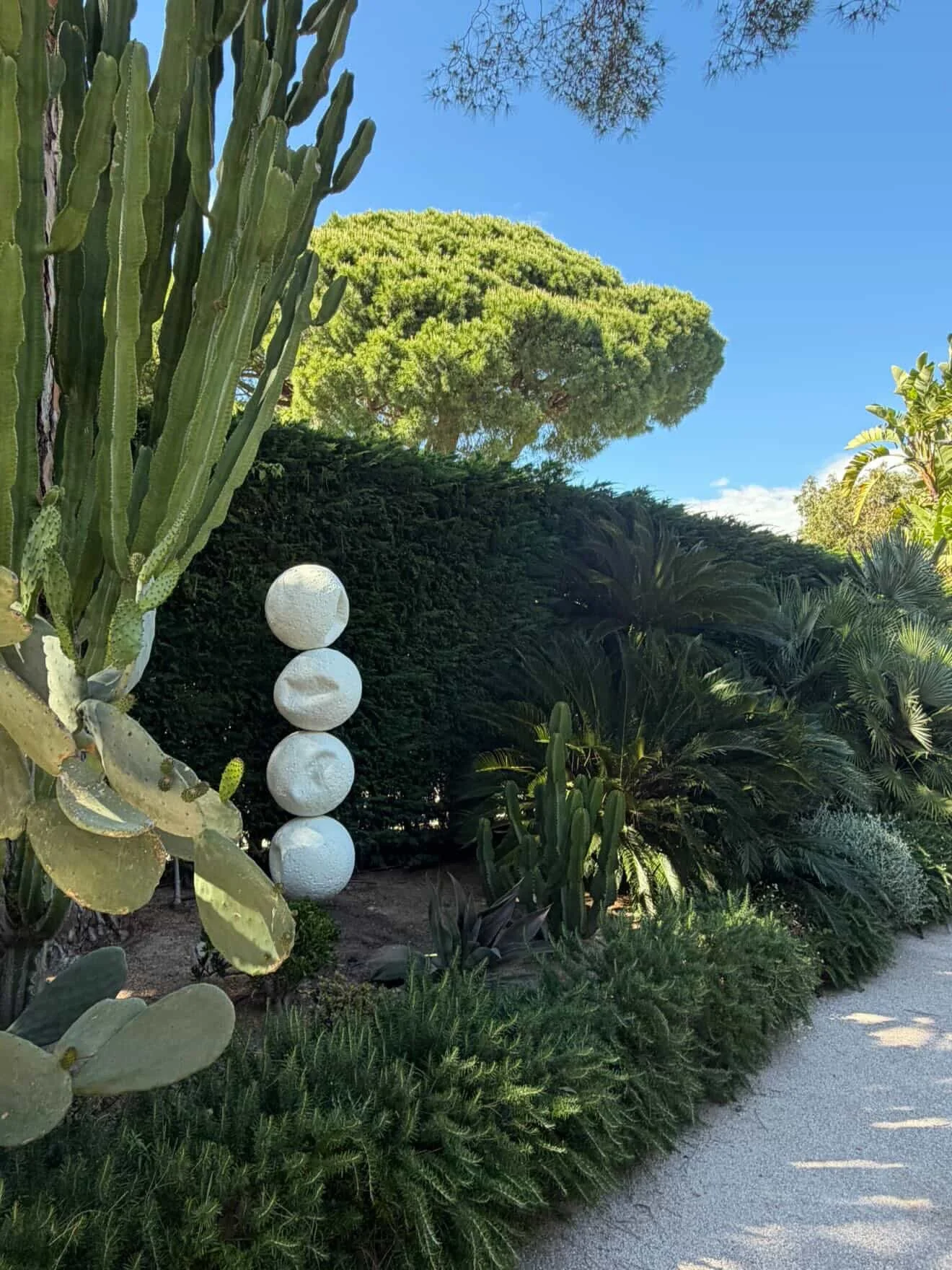
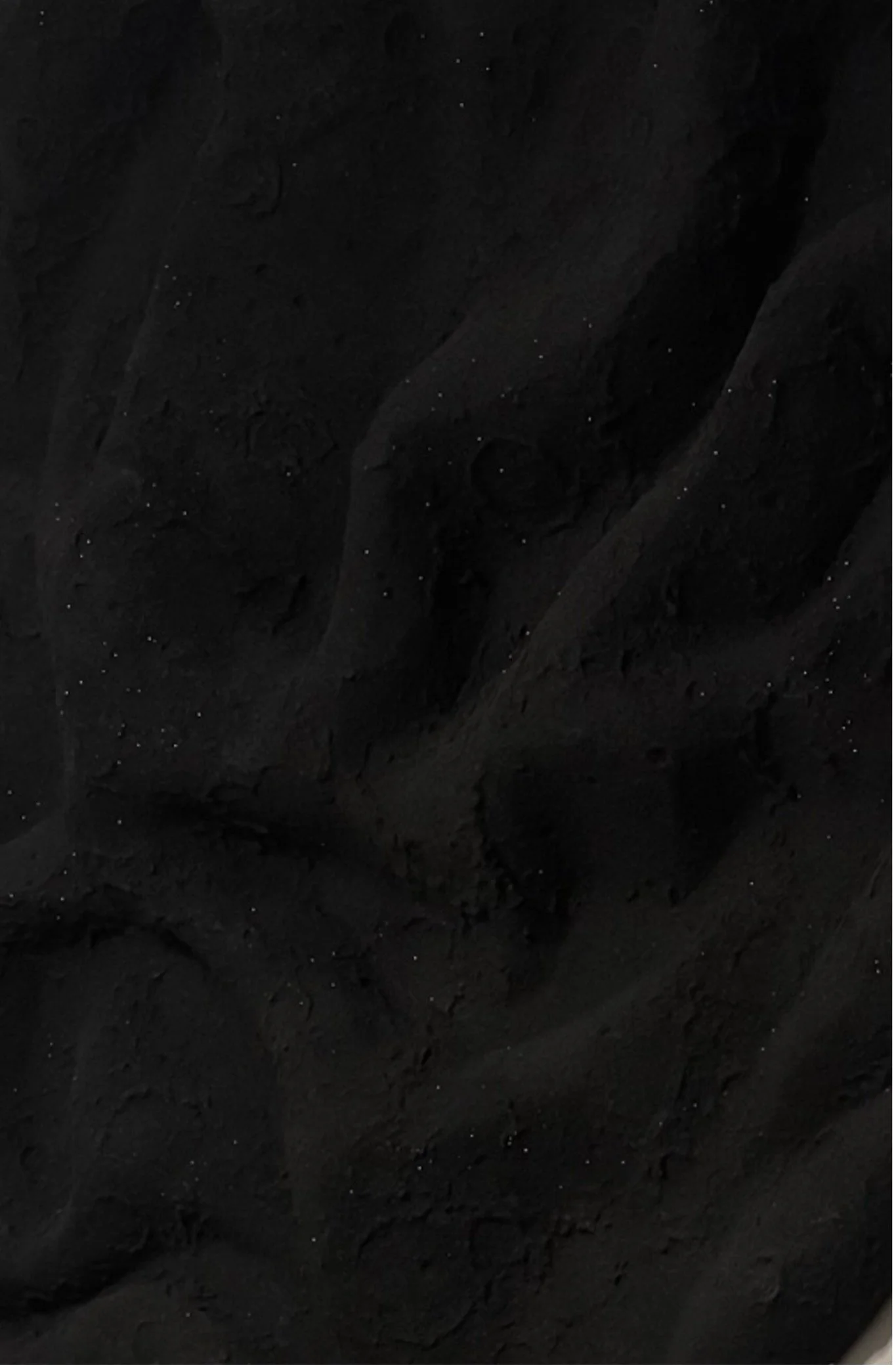
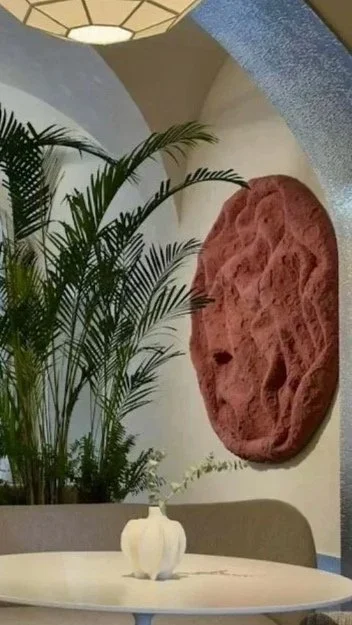
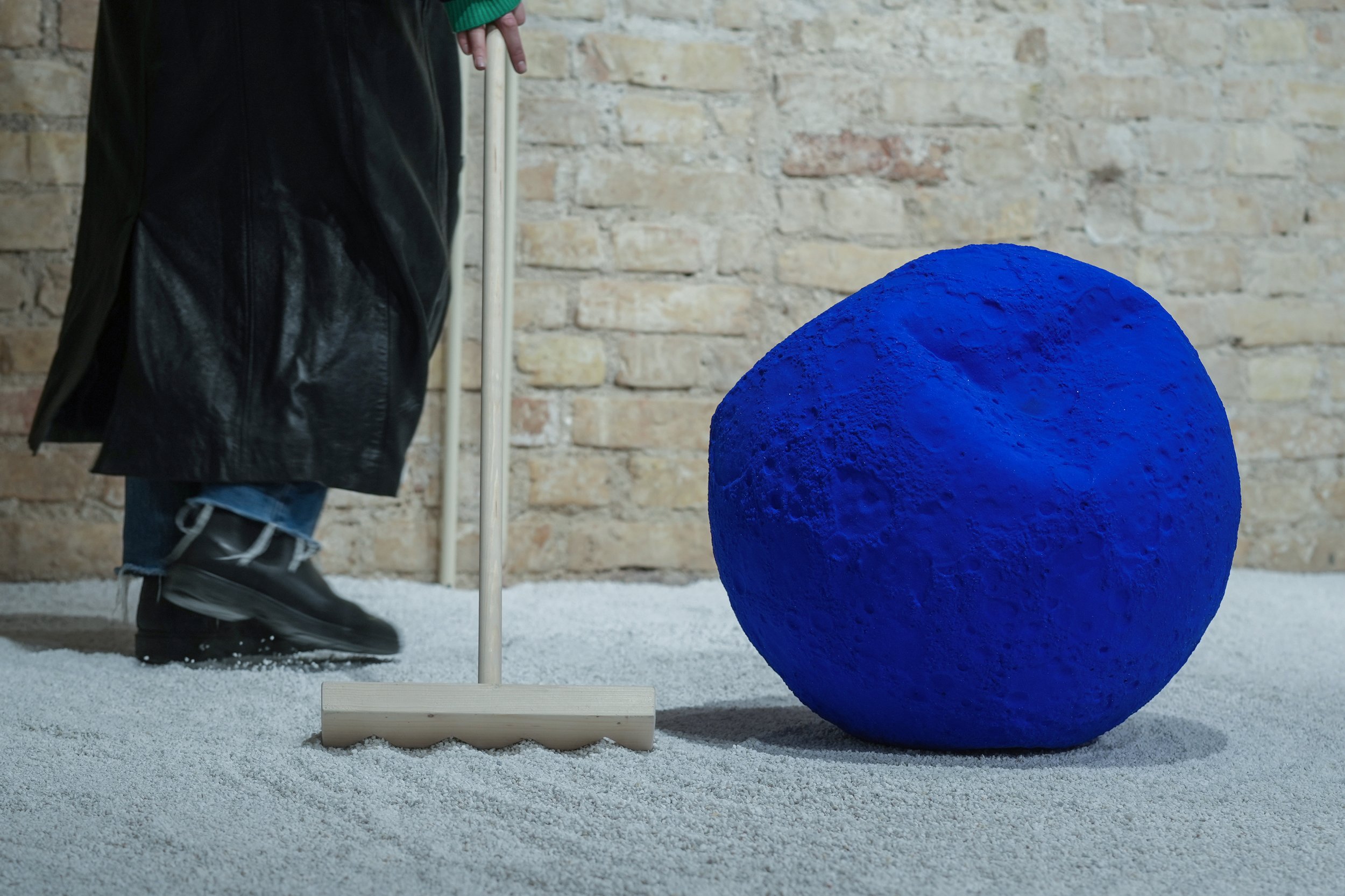
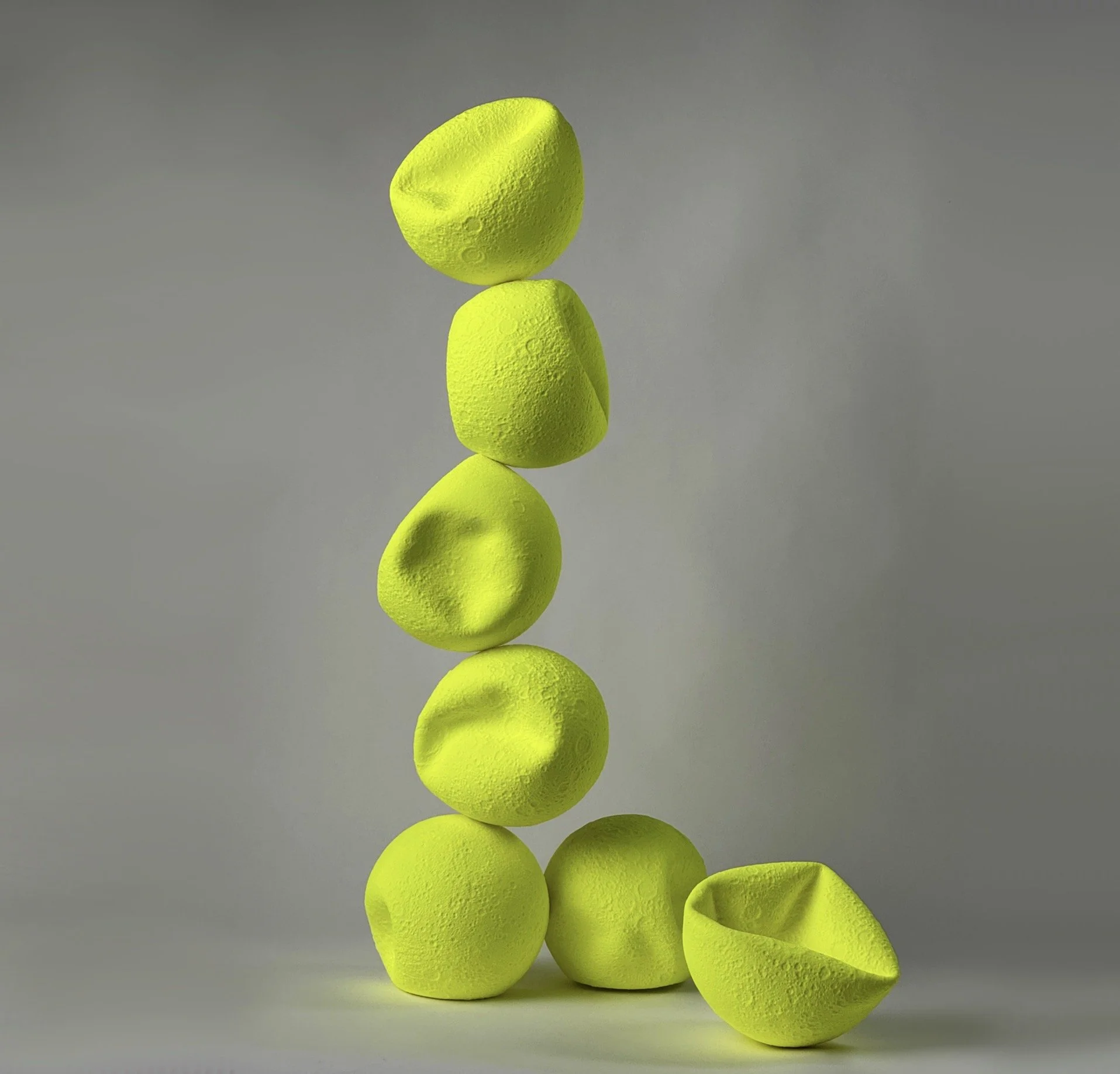
Deflated Moons is a series of crater-like forms that resemble celestial bodies. Each form is shaped by hand: the artist squeezes and deforms the material, leaving a direct physical impression, a human imprint. This gesture reflects a simple fact: humans inevitably alter everything they touch.
Whether this is right or wrong is not the point. It is merely a statement of reality. The reasons for humanity’s future return to the Moon may vary, yet one thing remains constant: wherever we go, we leave a mark. Perhaps, beyond simply consuming oxygen, part of our purpose lies in this continuous process of influence, transformation, and responsibility for what emerges after our touch.
These objects are not representations of any specific planet, although the Moon is referenced in the title. Throughout human history, the Moon has remained the most recognizable and romanticized celestial body. It has served as a source of fascination, projection, and mystery for generations, and will likely continue to do so far into the future.
Today, more than half a century after the last human landing in 1972, humanity is once again preparing to return to the Moon and, inevitably, to leave its trace there. Deflated Moons reflects on this enduring condition of human existence: wherever we arrive, we transform; whatever we touch, we leave a mark.
Hyperrealism
Hyperrealism was a deliberate challenge for the artist. With no experience in portrait sculpting, special effects, or established production systems, the artist began working independently while studying in England on the penultimate year of a BA in Fine Art.
At that time, the highly competitive field of sculpture made it clear that recognizable hyperrealist positions were rare. Rather than working broadly, the artist intentionally focused on a narrower direction, concentrating on portraits of well known figures, allowing viewers to immediately recognize the subject while also assessing the level of technical execution. In the artist’s view, hyperrealism as a pure form is visually static and inherently dull, which is why each work is used as a space for interpretation, unfolding different themes beyond likeness.
A particular point of pride in the practice is the development of the hyperrealistic eye. Through deep anatomical study and an extensive casting process, the artist created a unique production system in which each eye requires seven molds and twelve stages of casting.
Over the years, ASPENCROW’s hyperrealistic works have been shown internationally in gallery, museum, and contemporary art fair contexts, and are now held in private and institutional collections worldwide, including Europe, the Middle East, Asia, and North America.

Begging Queen
A key early work by ASPENCROW and his first experiment in hyperrealism and street art, referencing the artist’s teenage punk experience. The sculpture was temporarily installed in various parts of Birmingham, drawing attention to the 2008 financial crisis. Fundraising and engagement with the homeless became part of another research project by ASPENCROW as part of his university work, aimed at exploring social vulnerability.
The sculpture was also featured in a performance broadcast on the BBC, during which Johnny Rotten from the Sex Pistols symbolically stole the collected donations.
The artwork is currently held in a private collection.
Andy Walking, Andy Tired, Andy Take a Little Snooze
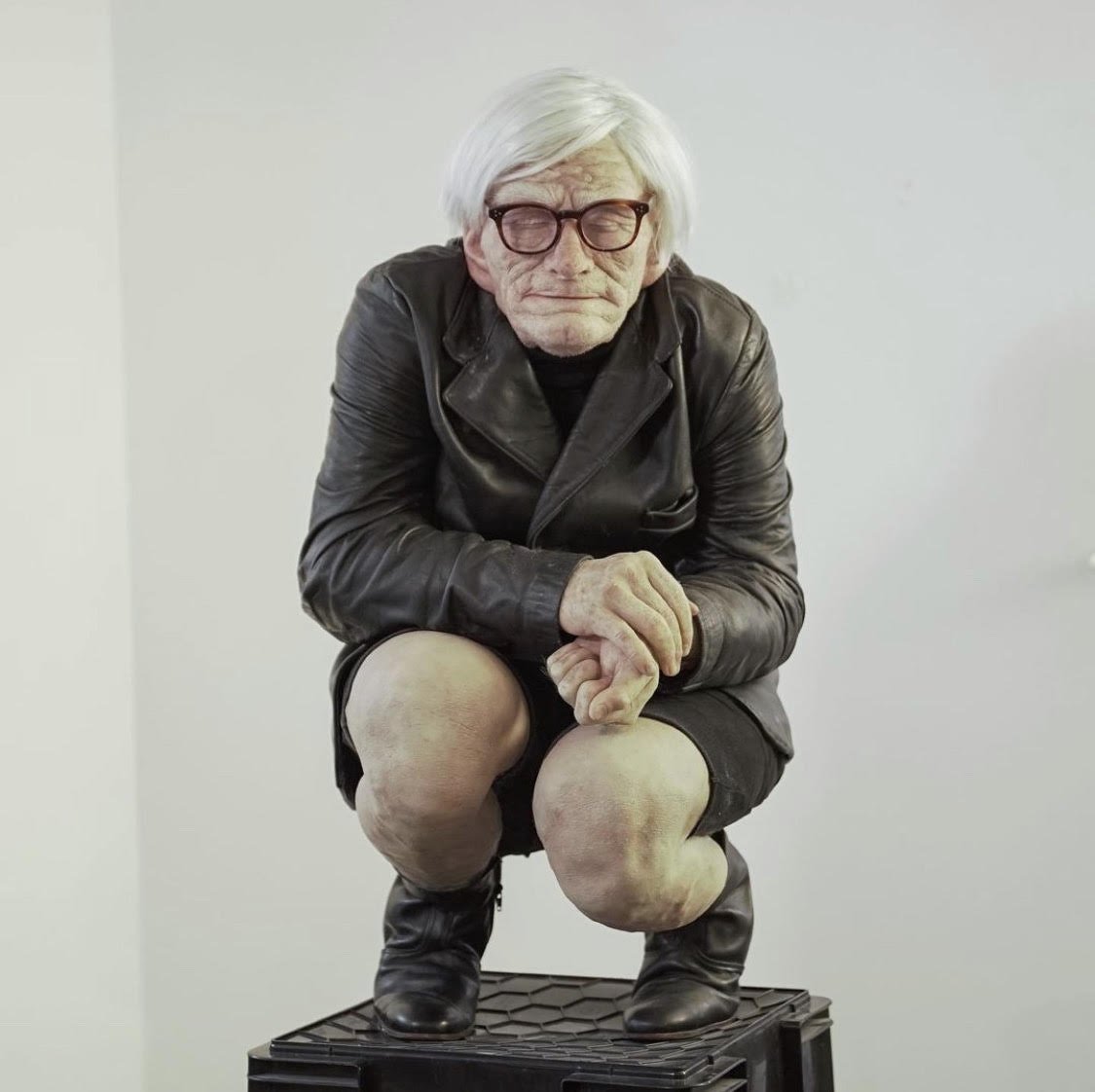
The artist’s first touch on the aesthetics of Pop Art. This is a tribute work dedicated to Andy Warhol - a figure standing at the origins of the movement that deeply influenced the artist himself. The title of the sculpture is a quote from a David Bowie song. Andy seems to have "taken a short snooze," but he is still with us - his ideas, energy, and visual language continue to live on in contemporary culture. The pose of the sculpture is recreated from a rare archival photograph of Warhol, adding documentary depth to the work. Through the aesthetic prism of Pop Art and the punk movement (in the spirit of "Punks not dead"), the statement is born: Pop Art is not dead. The artwork is currently held in a private collection.
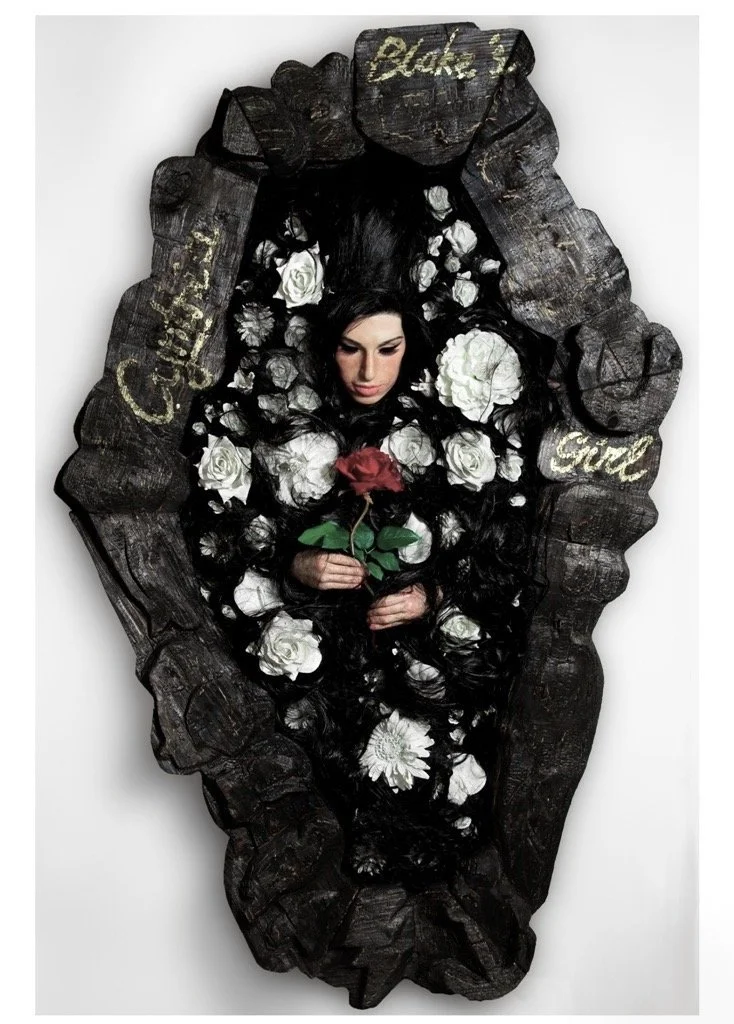
ICON
A work in the style of hyperrealistic dark pop art, created in response to the tragic death of the singer, which the sculptor learned about from the morning news. At that time, Amy remained extremely popular in the UK, and shortly before her death had performed at the Custard Factory in Birmingham - the place where Edgar’s creative studio was located. This work is a personal and artistic gesture of remembrance, capturing the singer in a moment of eternal presence. The artwork is currently held in a private collection.


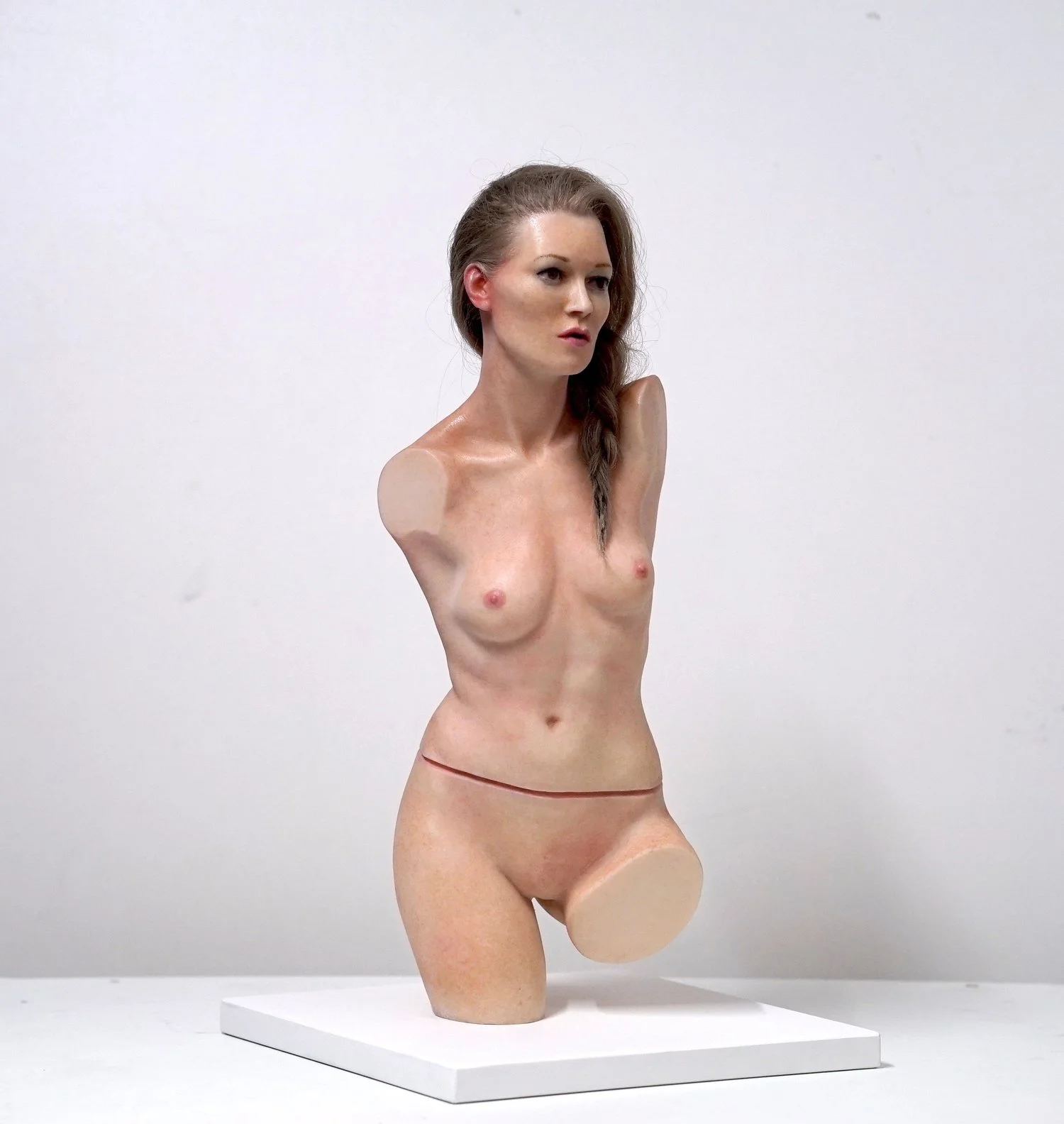
MILF
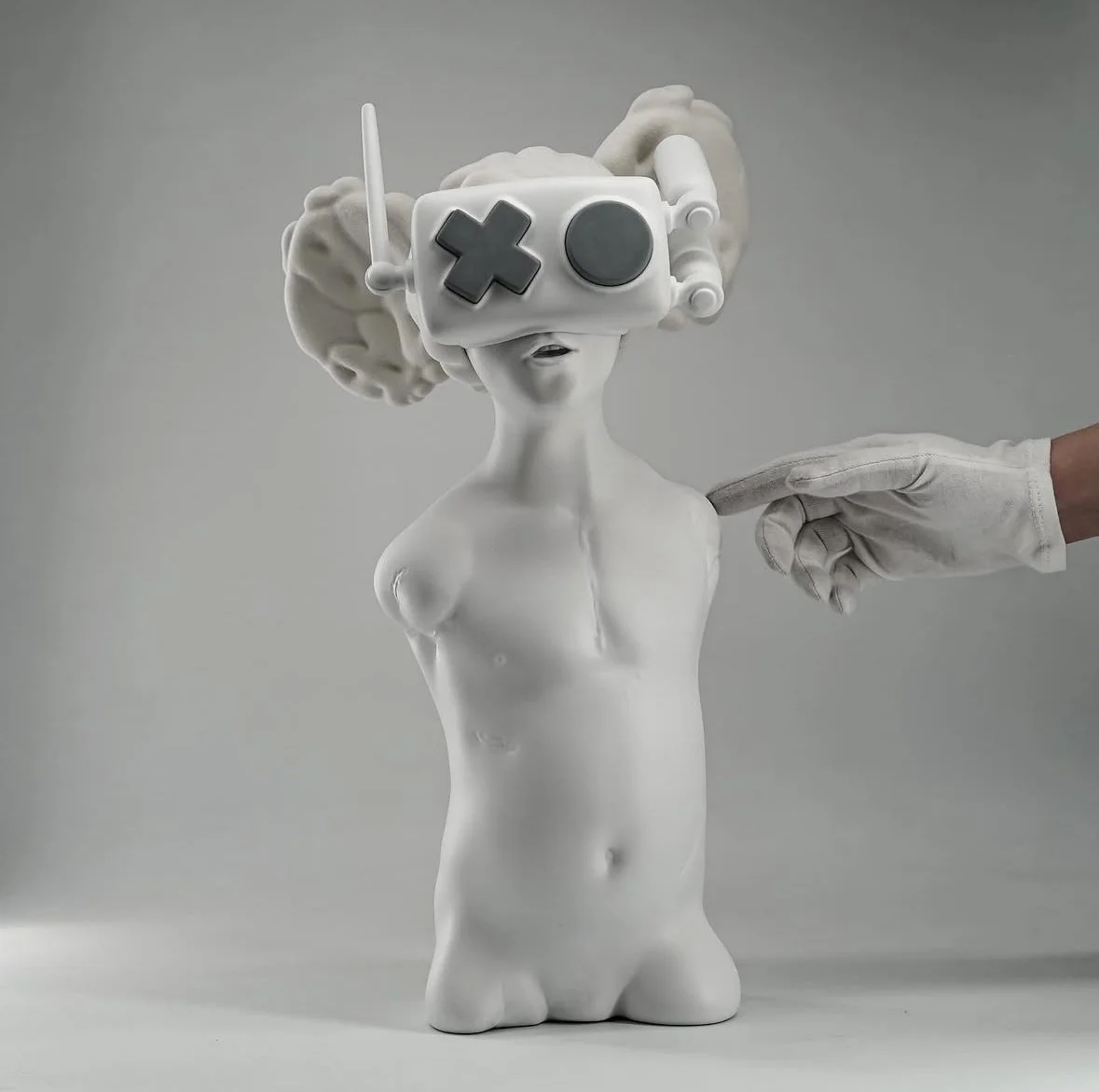
The sculpture is a bust of Kate Moss — the supermodel whose appearance became a symbol of an era. The figure is intentionally fragmented, referencing both ancient statues in a ruined state and the contemporary critical view on the representation of the female body in mass media. It is a stark commentary on how the female figure is often turned into a commodity. The title of the sculpture, as a crude label, is meant to evoke discomfort - creating an internal conflict between aesthetic perception and ethical reflection. The work was exhibited at Opera Gallery London and currently held in a private collection.

Death’s-Head Hawkmoth Seattle
The sculpture depicts Kurt Cobain at an age he never reached - marked by traces of time and exhaustion. The work is created in the image of the Death’s-Head Hawkmoth, known for the skull-like pattern on its back - a symbol of anxiety and death. The piece balances on the edge between fetish and relic, offering no comfort to the viewer. A capsule of pain and a performance of loss.
The title includes the word "Seattle" - the city where Cobain gained fame and which became a symbol of grunge culture. The project became a personal statement by the artist, a fan of Nirvana, who deeply related to the musician’s depressive state. He began working on the sculpture after passing the age of 27 - the age at which Cobain’s life tragically ended. The artwork is currently held in a private collection.


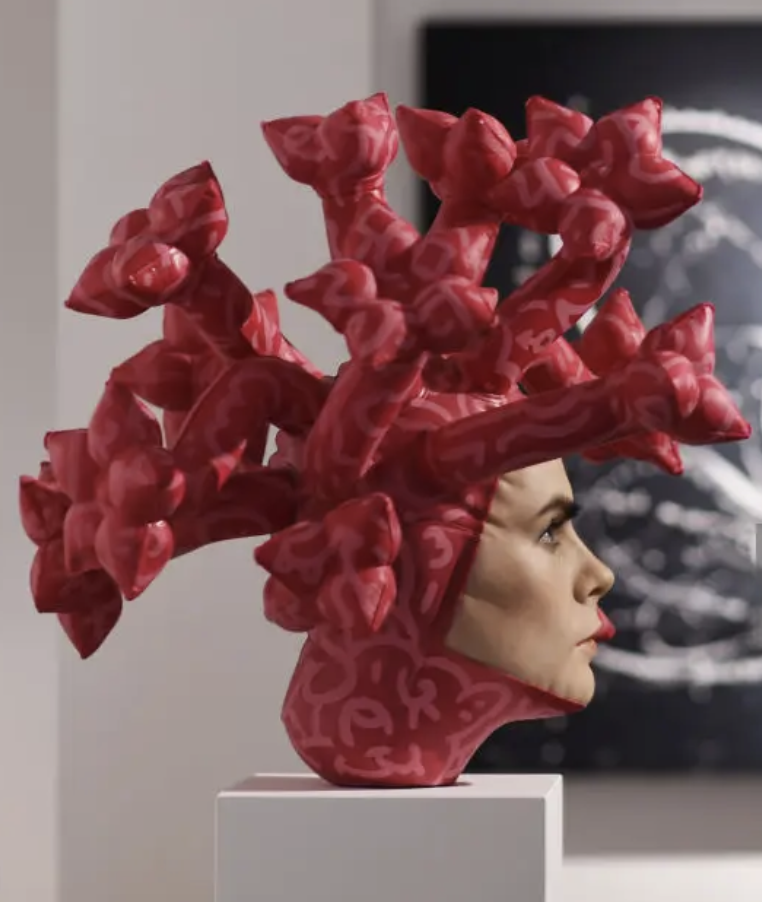


Olympe
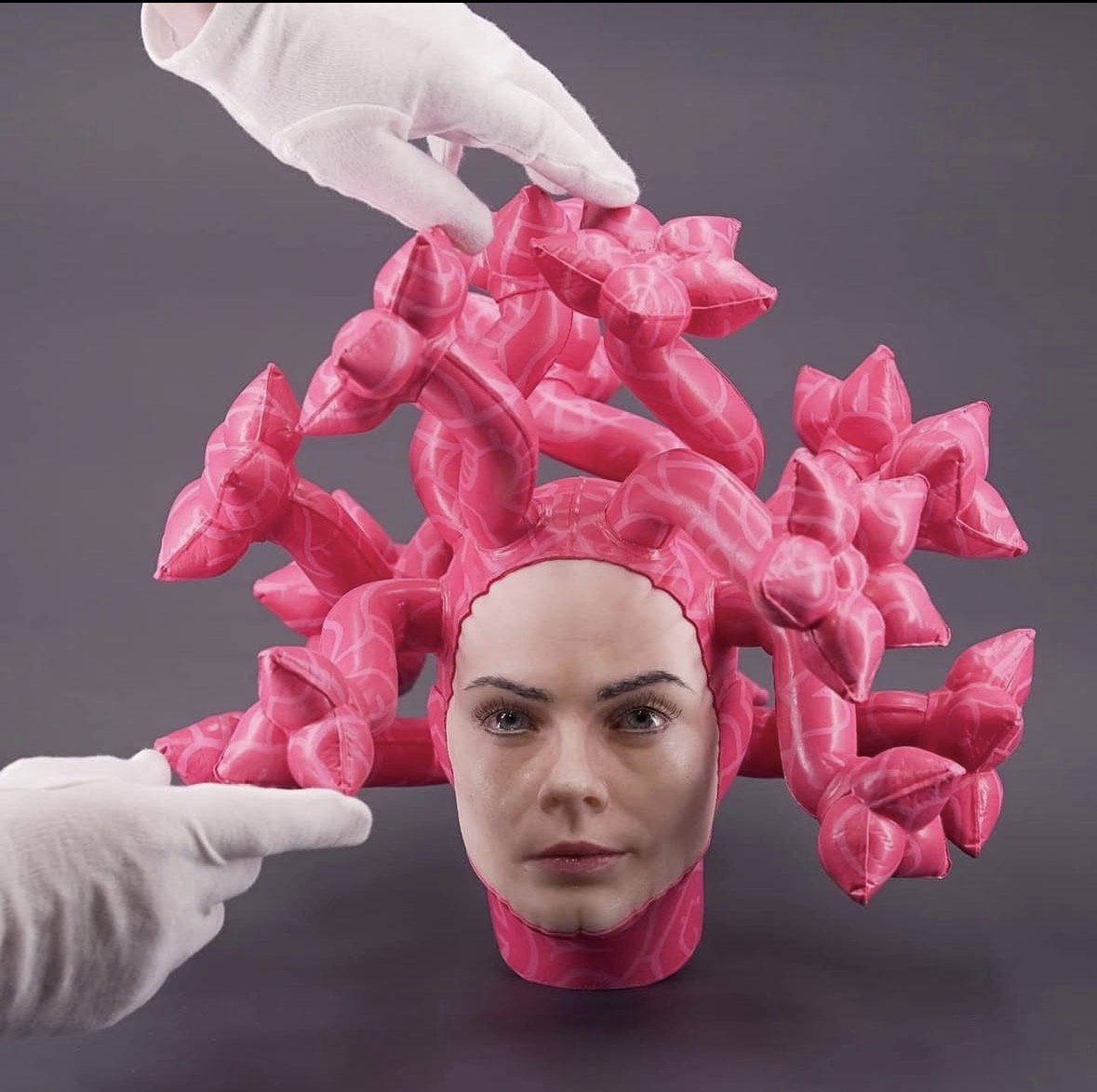
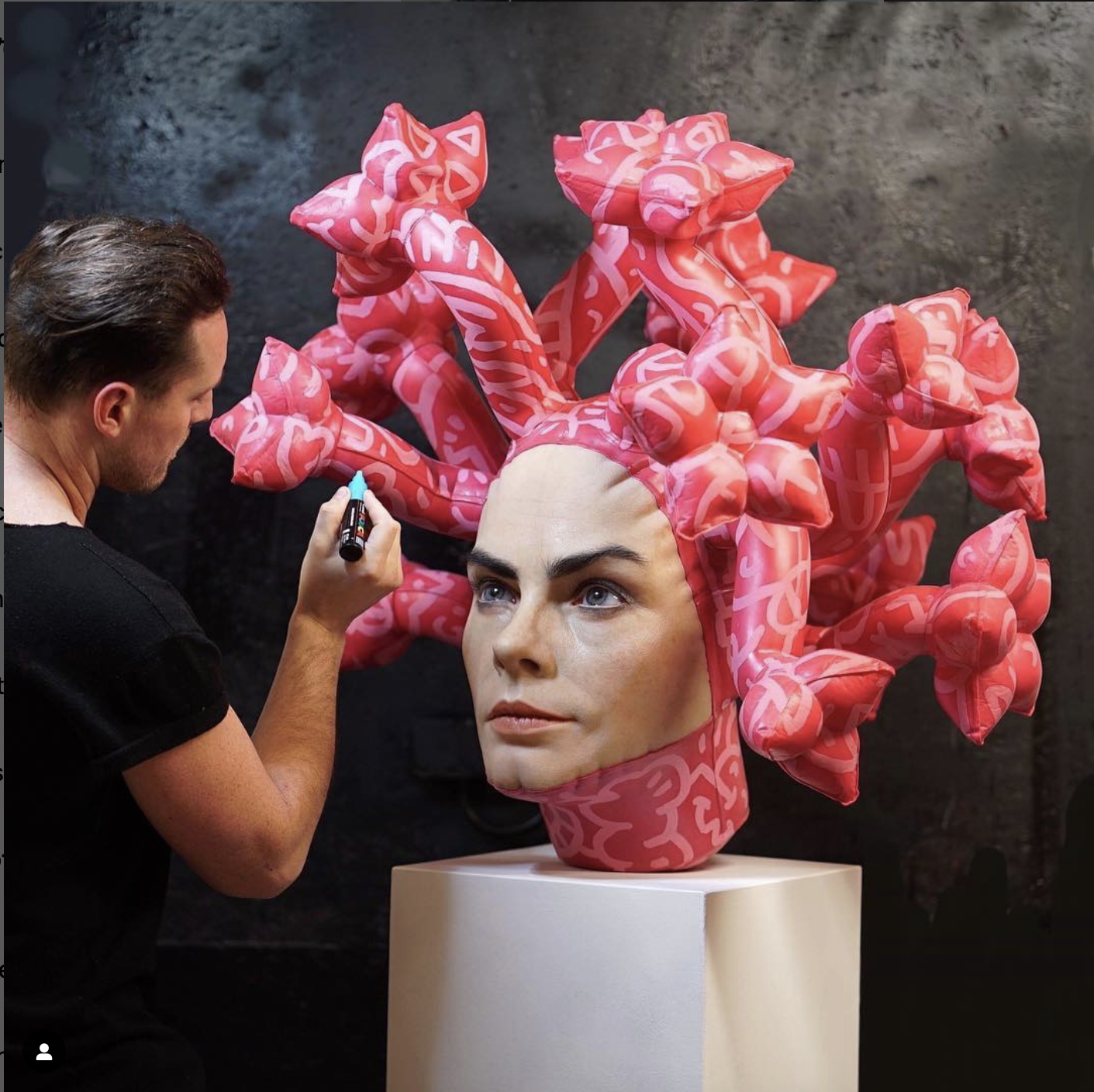
A synthesis of three female figures: mythological, historical, and contemporary - combining Medusa the Gorgon, Olympe de Gouges, and Cara Delevingne. A monument to all women who have changed the course of the conversation on equality. The first cultural layer of the work refers to Medusa the Gorgon - long interpreted as an image of the “threatening woman,” but in recent decades reimagined in feminist discourse as a symbol of violence, exile, and the demonization of female power.
The second - to Olympe de Gouges, an 18th-century French writer and political activist, author of the Declaration of the Rights of Woman and of the Female Citizen, who was executed by guillotine during the Revolution for her radical position. The contemporary element of the triptych is Cara Delevingne - a symbol of active resistance, freedom of expression, and redefinition of femininity in media and society. The sculpture took part in the filming of The New Toy (Le Nouveau Jouet, 2022), directed by James Huth and starring Jamel Debbouze. The artworks are currently held in private collections.


Diamond Dog
A full-scale hybrid figure combining a lying dog and David Bowie. The image is taken from the 1974 album Diamond Dogs.


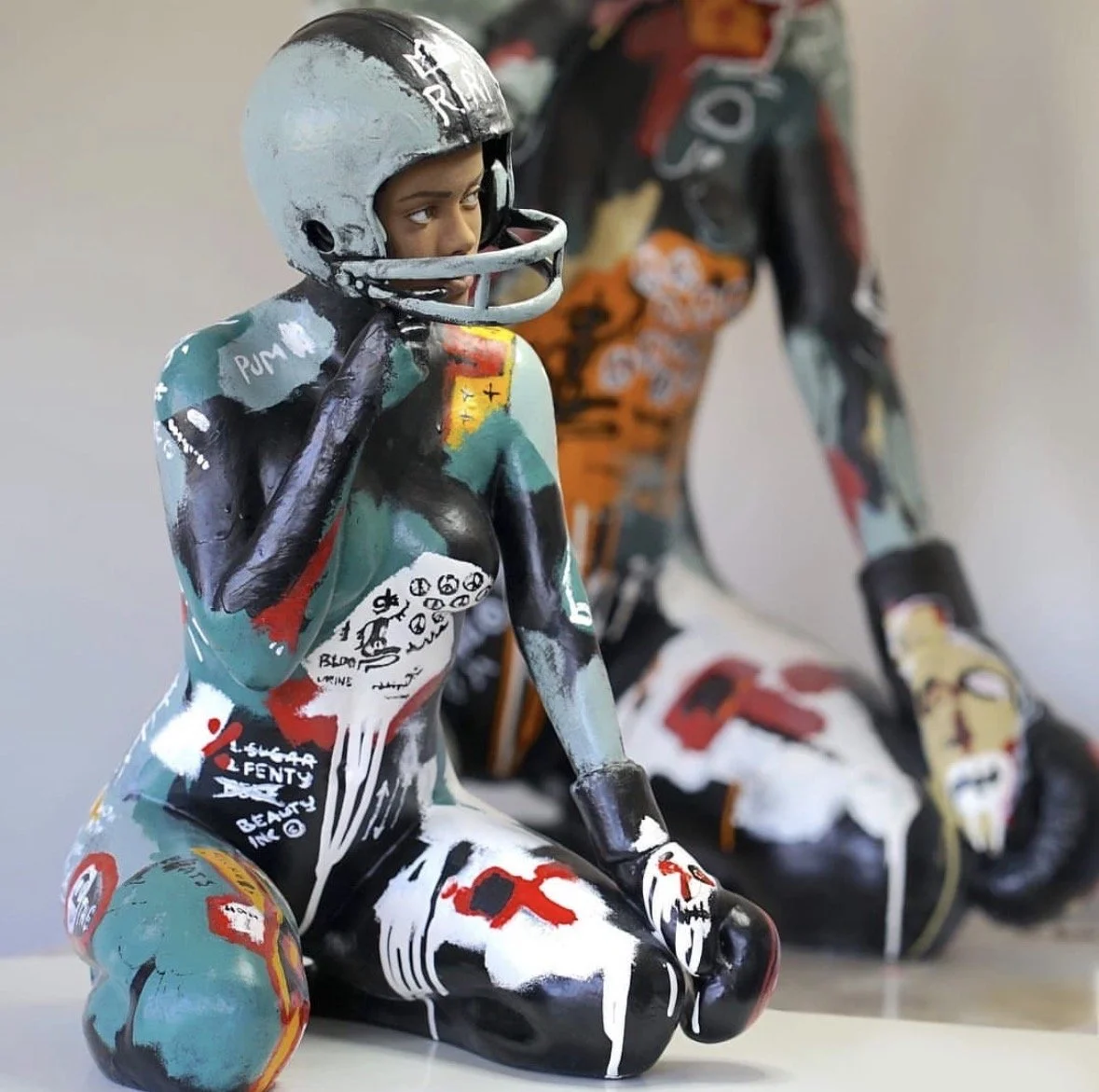
RIRI
A bold interpretation of the image of the singer Rihanna, painted in the style of Jean-Michel Basquiat. Participated in Art Miami 2020. The artworks are currently held in private collections.


ATLAS
The work was created under the impression of the fighter’s life path, in which the artist saw a parallel to his own life. One of the three pieces is held by Conor McGregor.
Art Collectibles
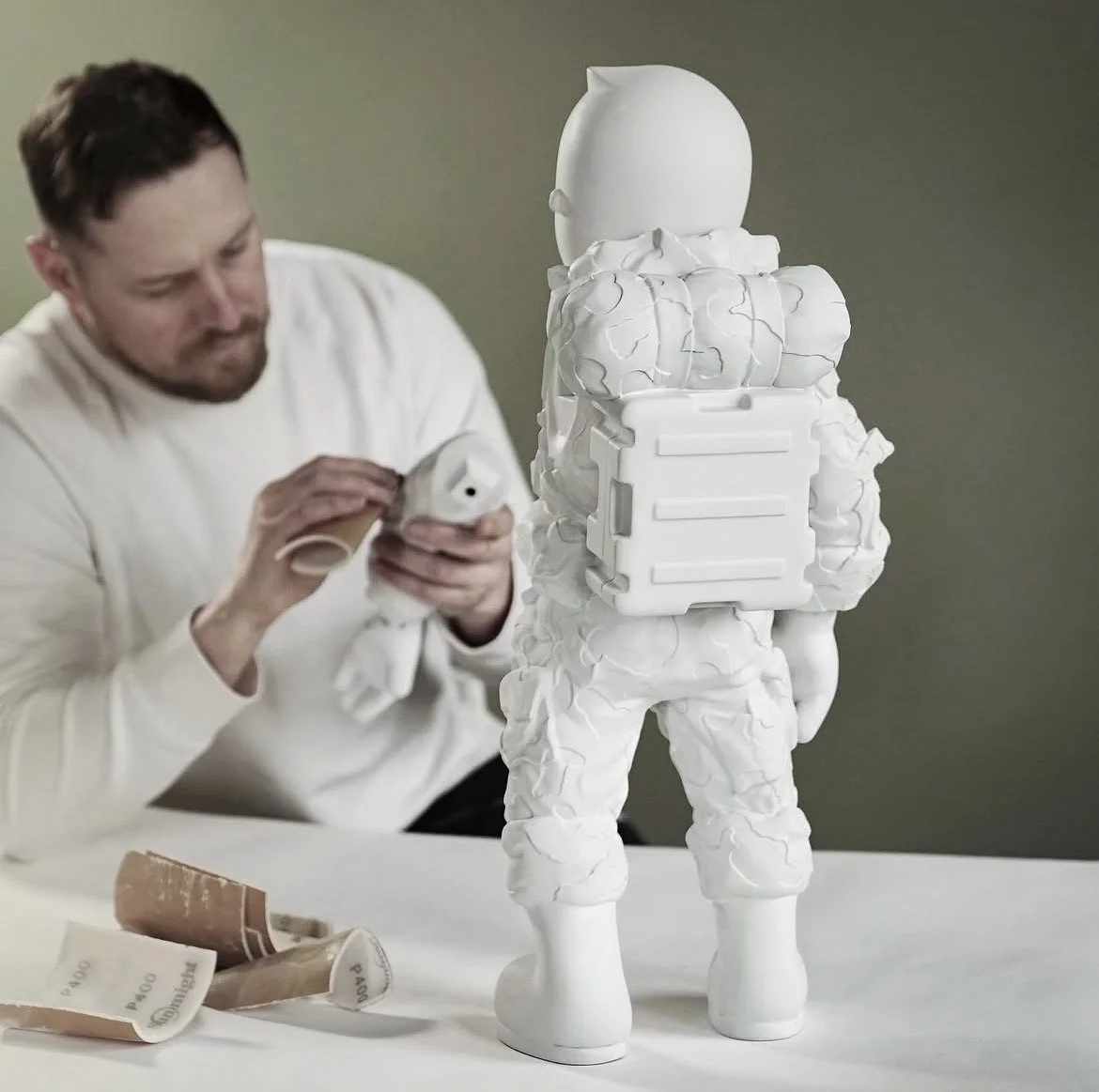
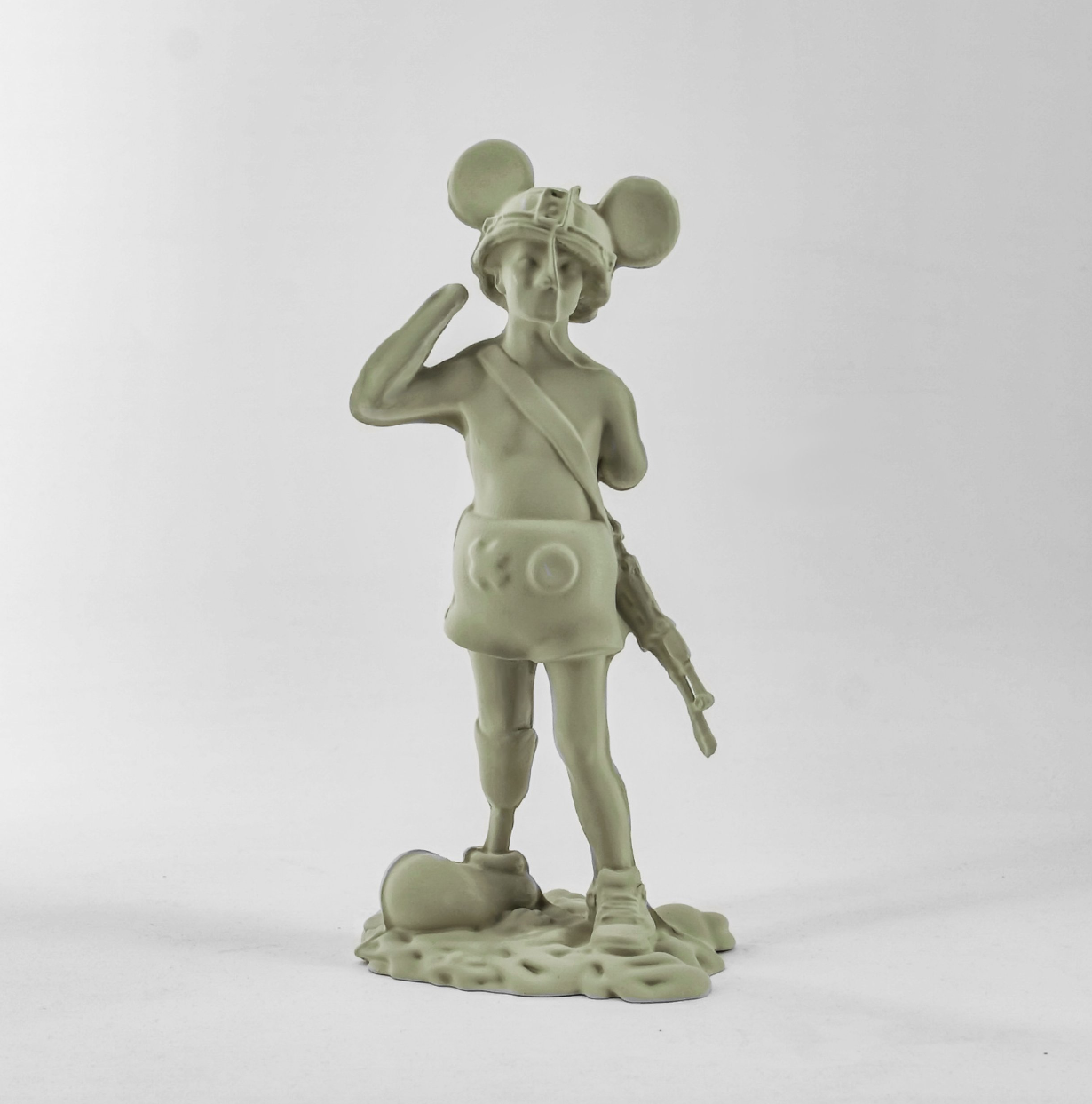
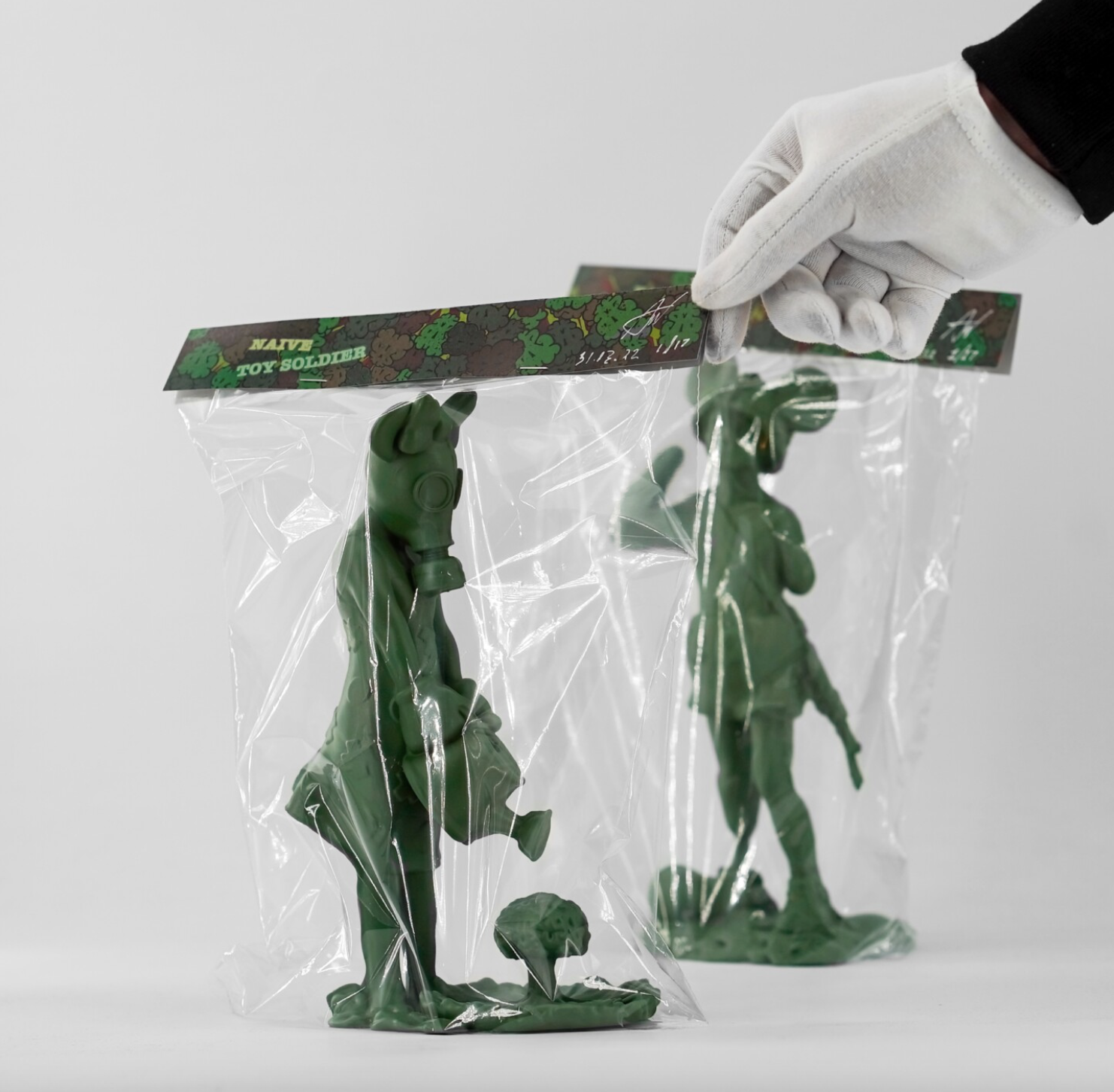
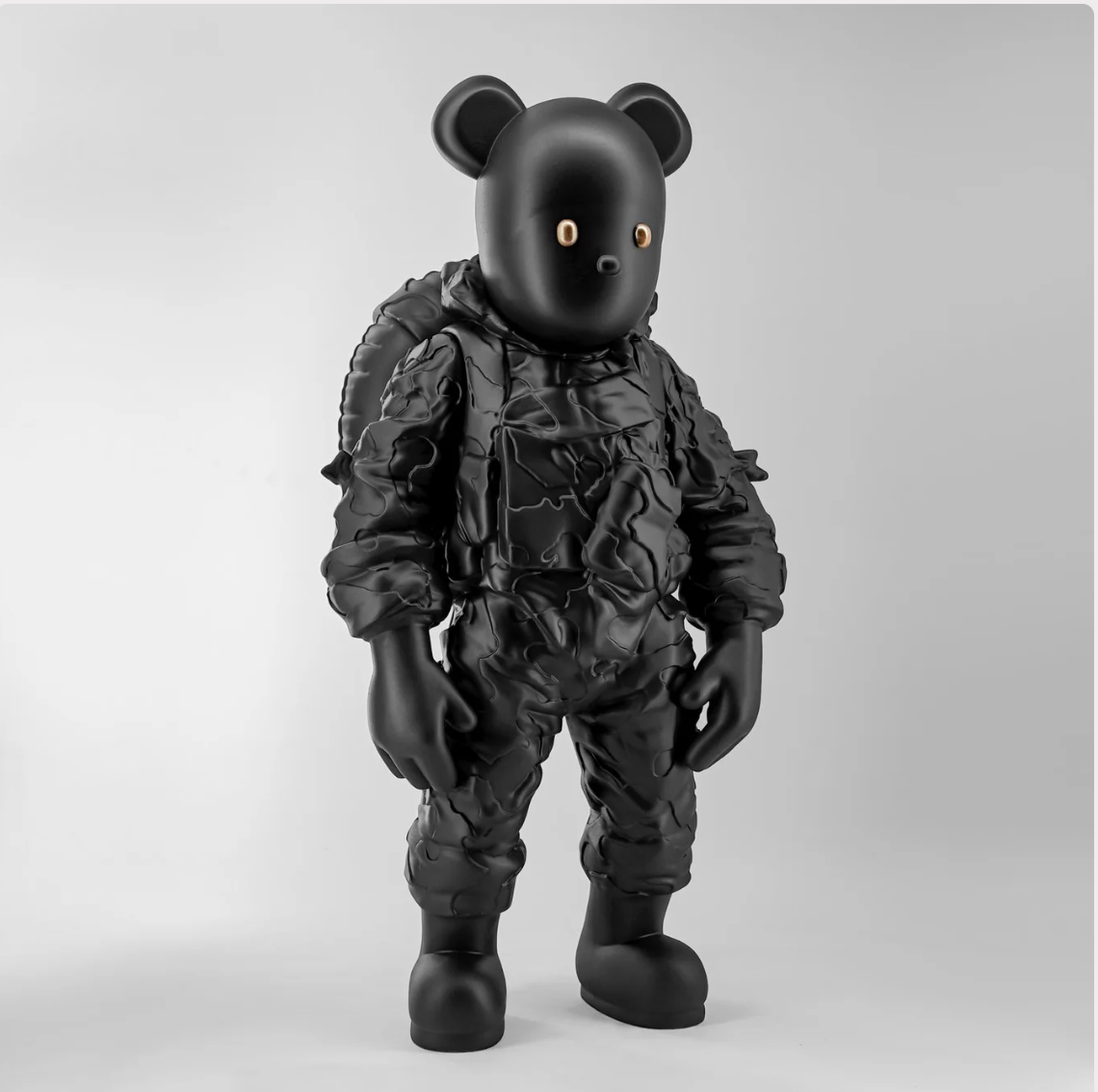
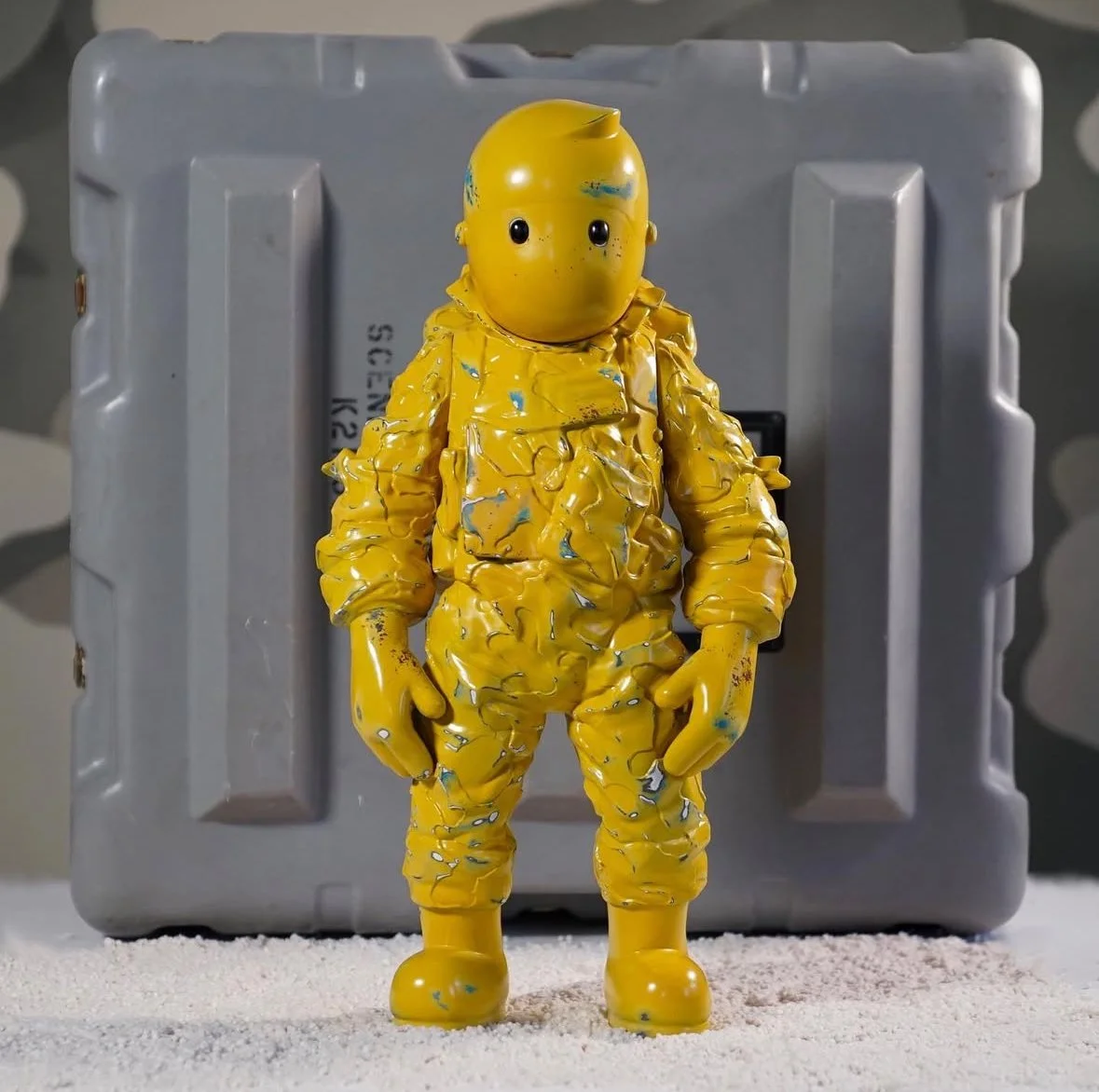
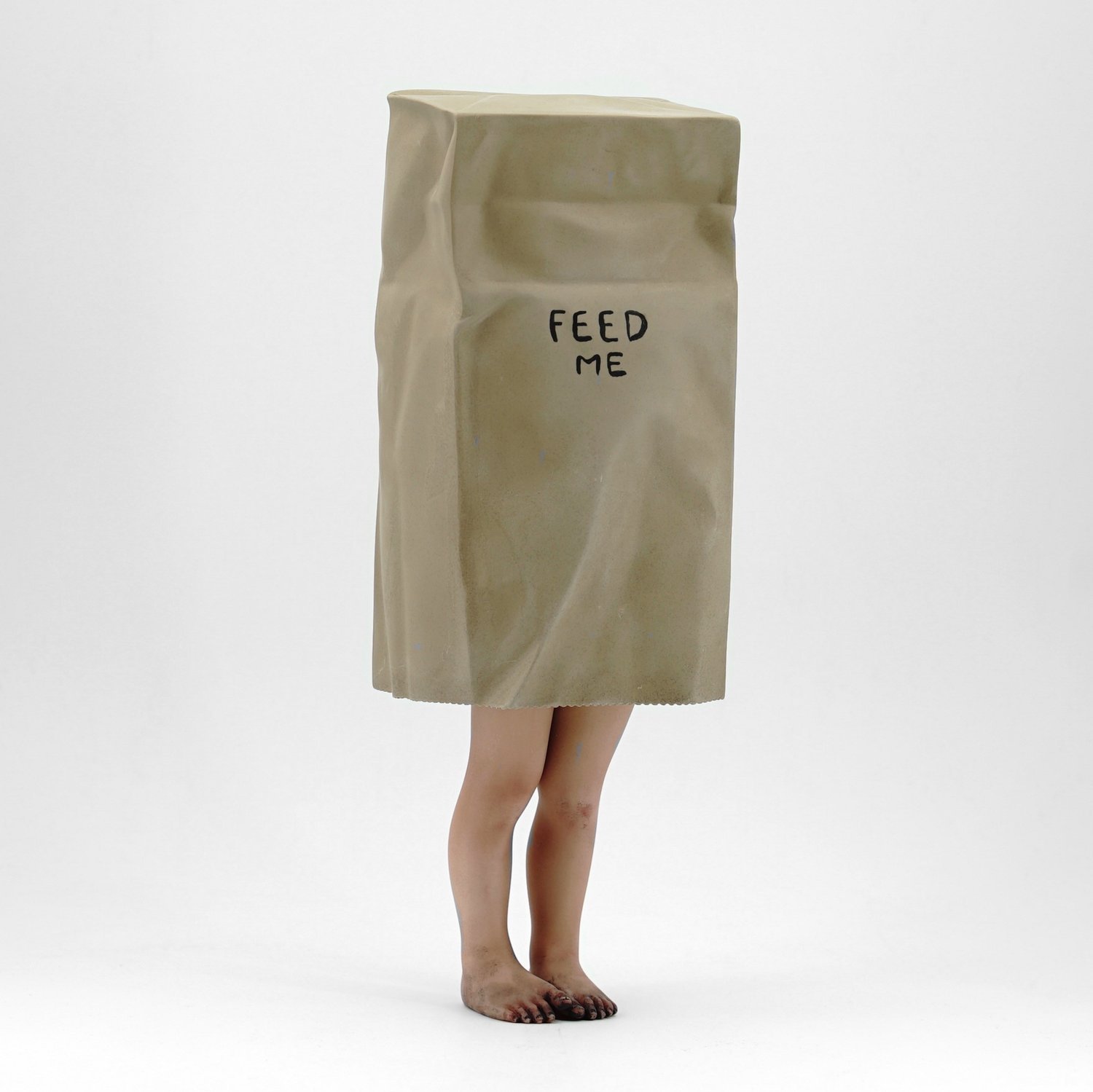
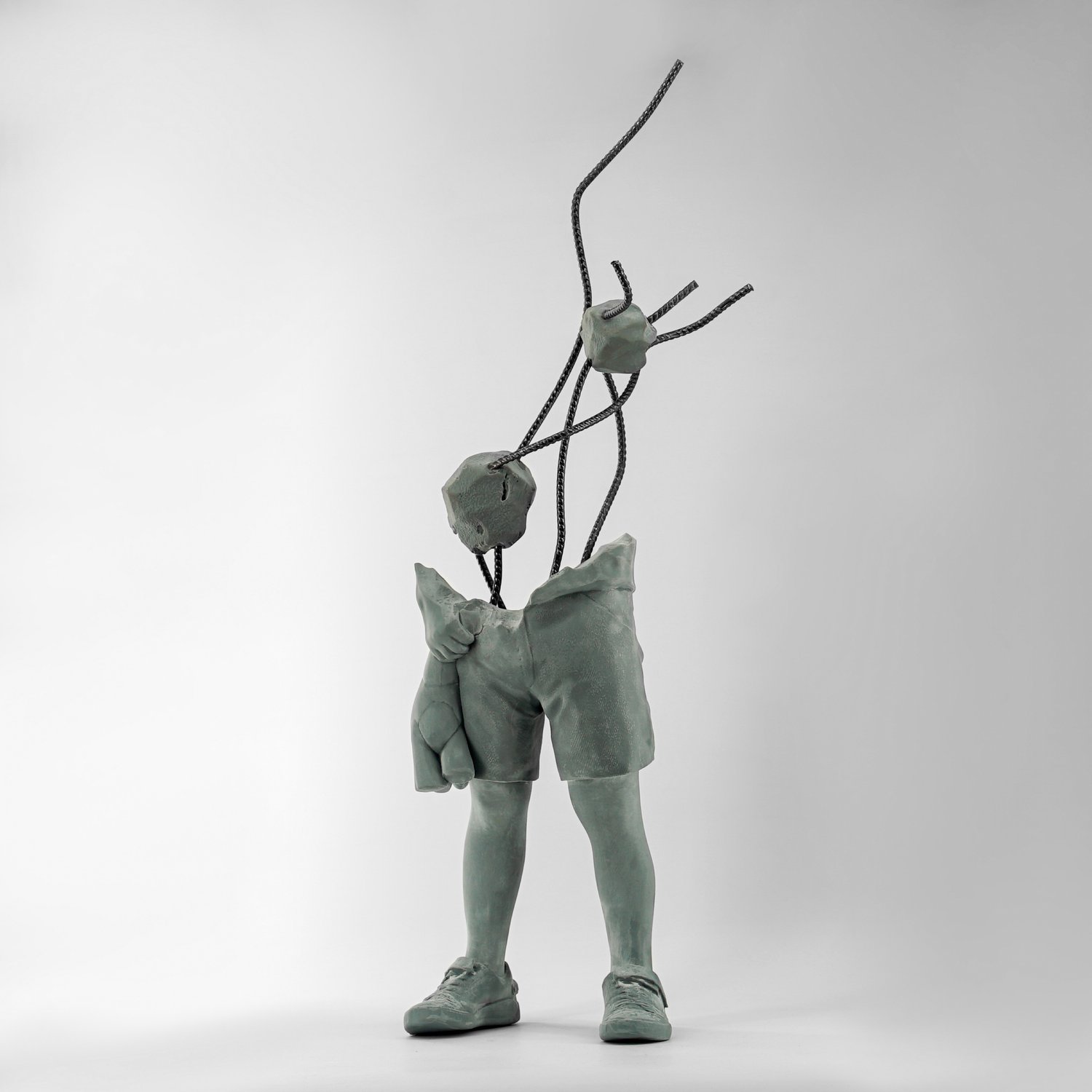
ASPENCROW is a full-time artist. The practice has never been supported by grants or institutional funding of any kind. All works are self-generated and self-funded through the direct sale of artworks, made entirely by the artist by hand and not produced on commission.
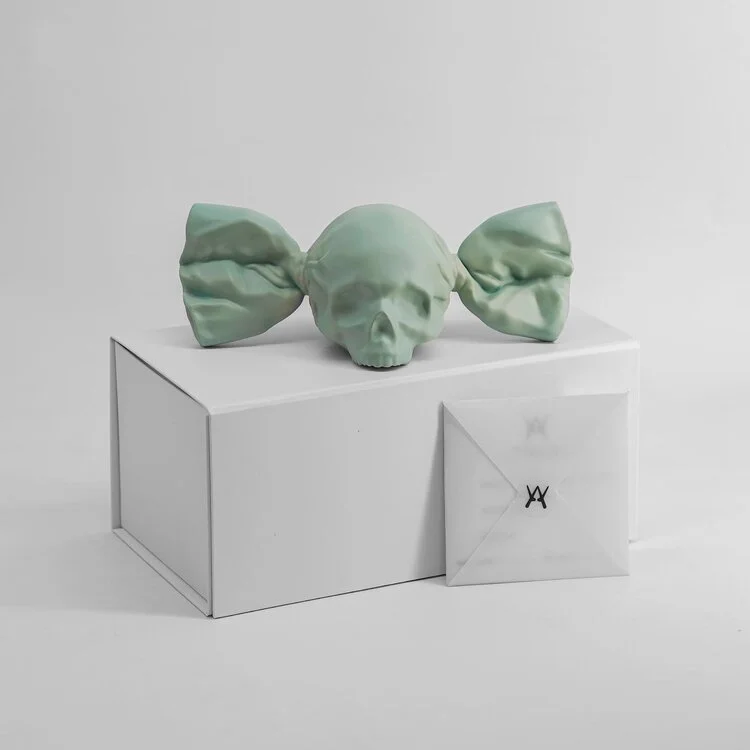
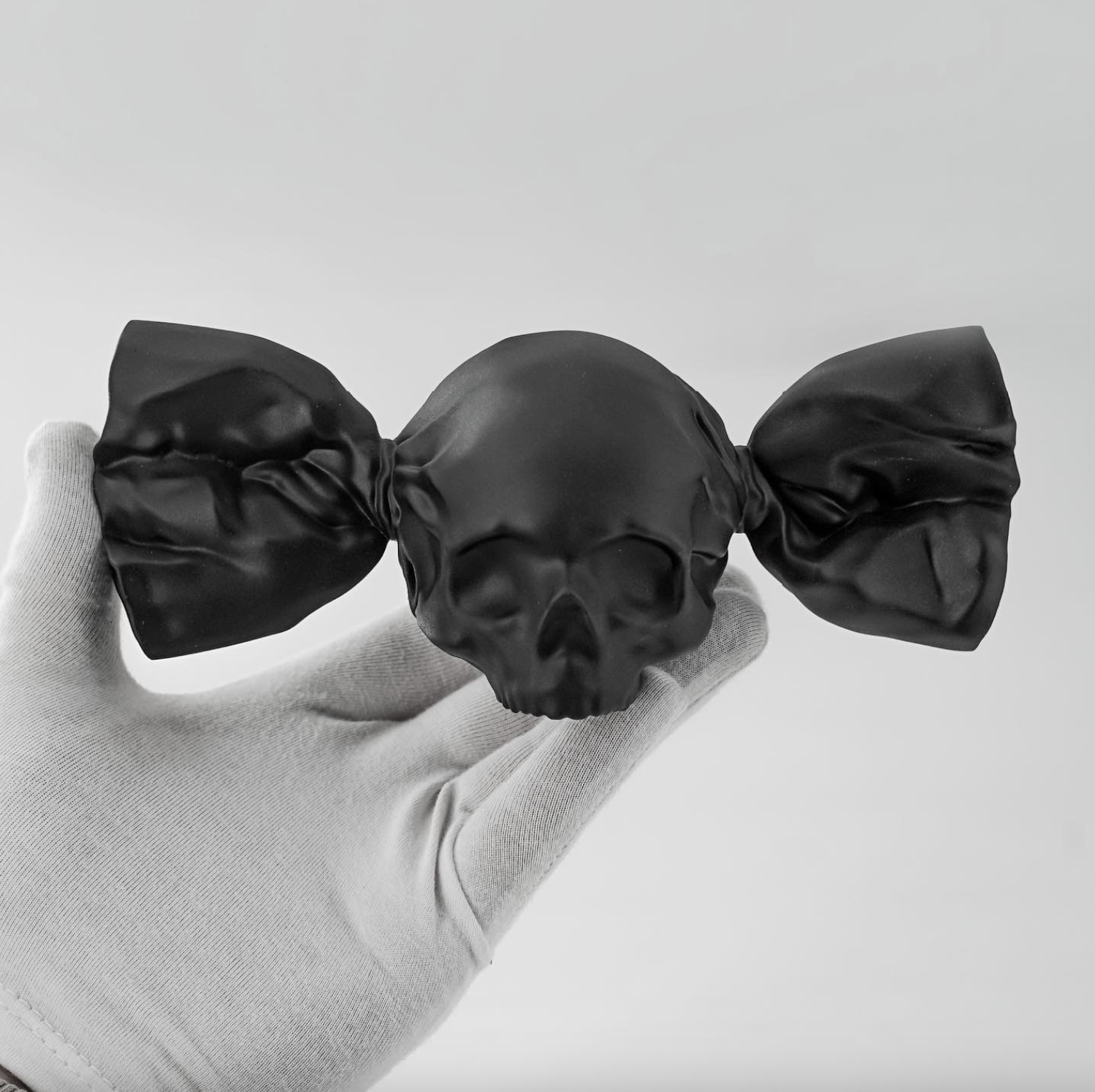
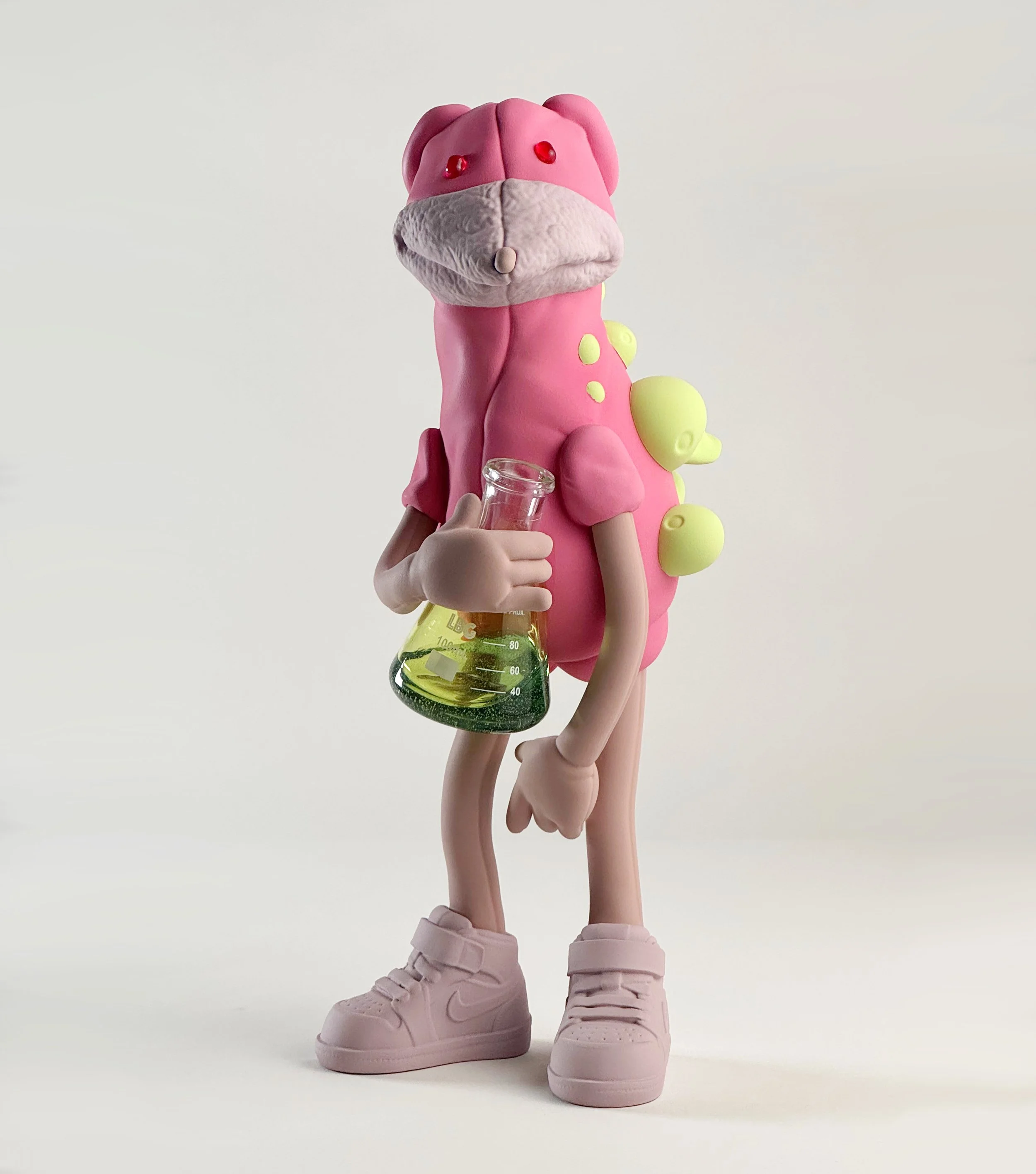
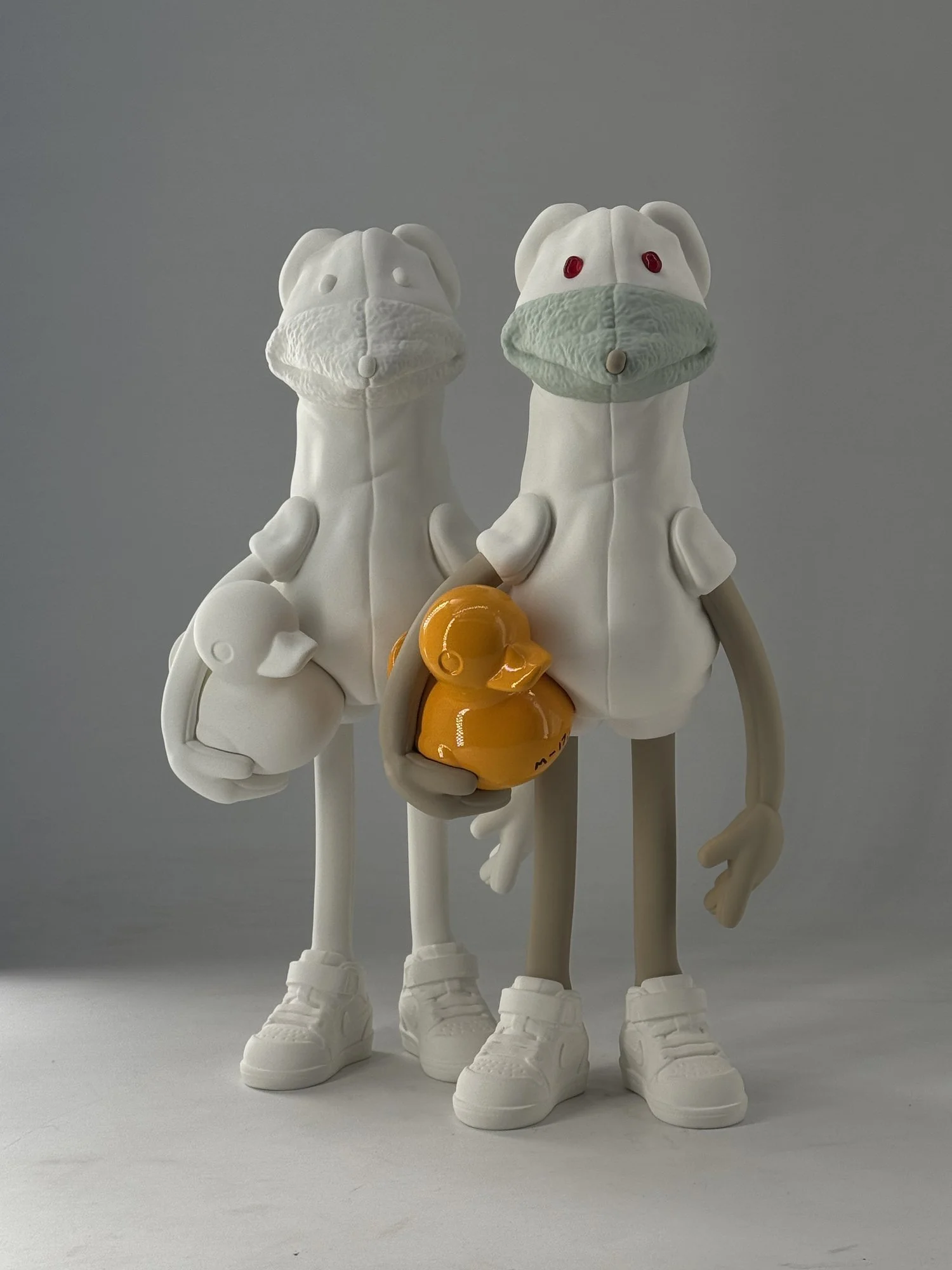
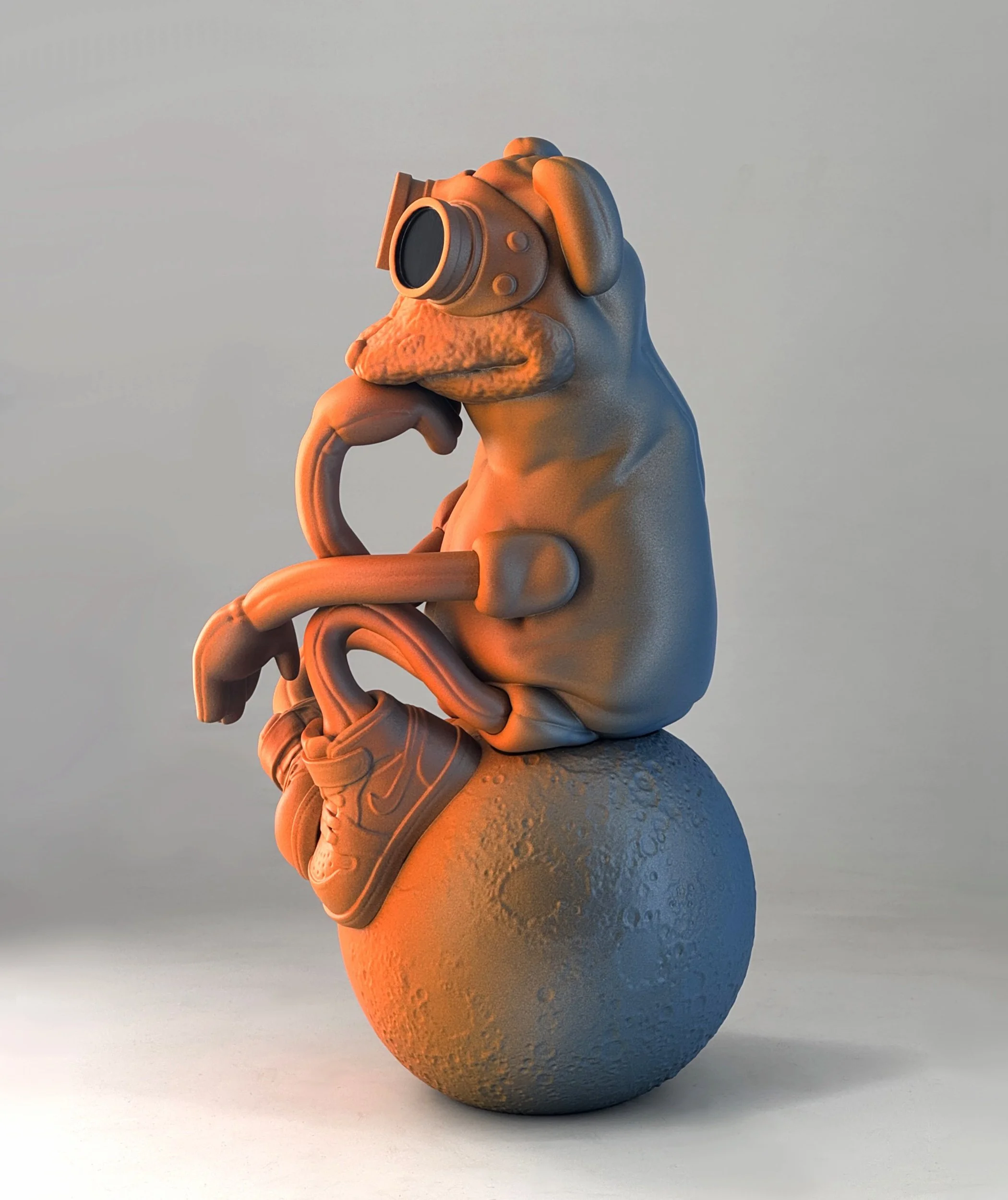
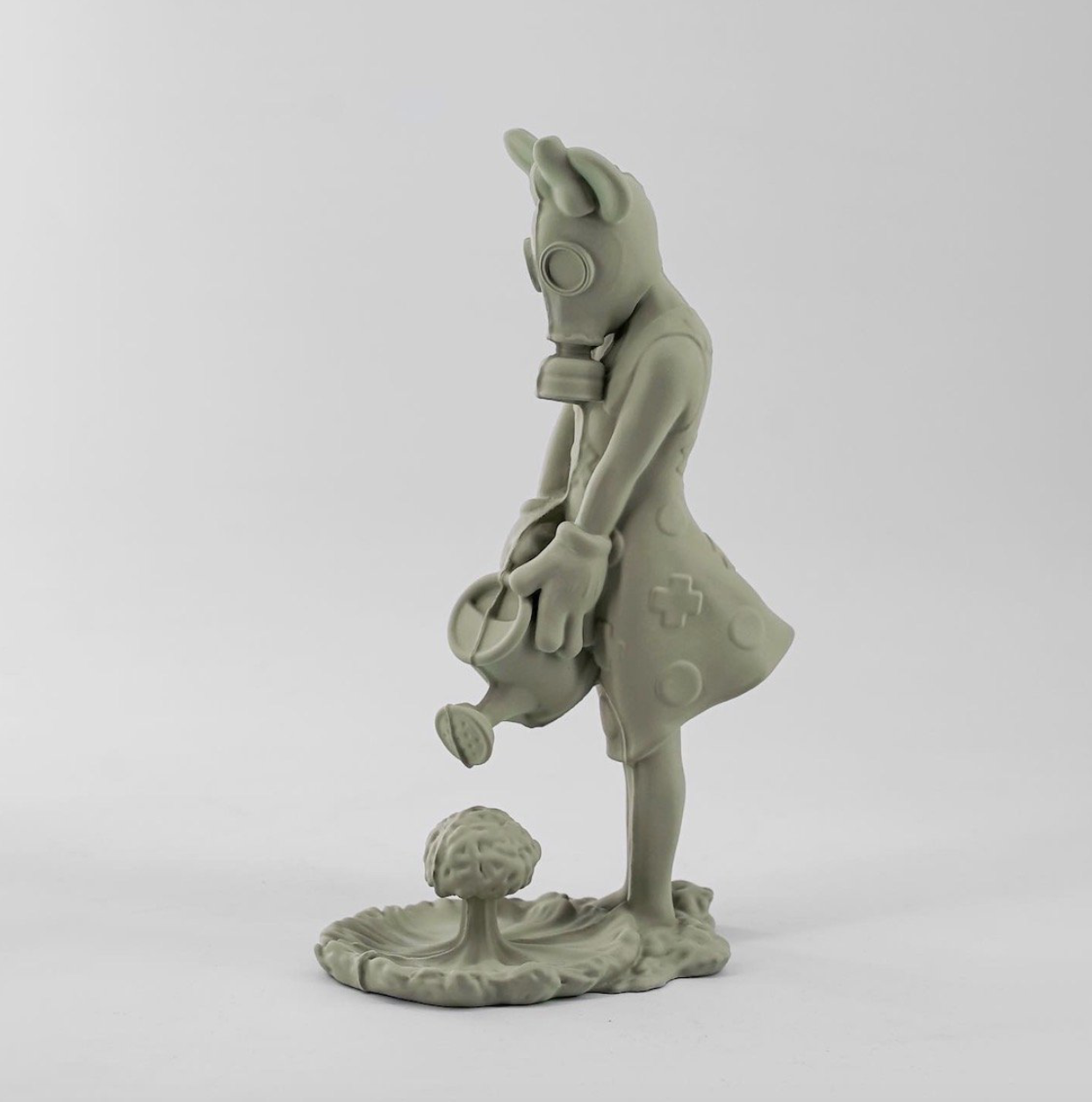
The model of small-scale, limited edition collectible sculptures allows the artist to respond quickly to ideas, concerns, and strong emotional impulses, translating them into physical form without delay.
A significant part of the artist’s sustainability comes from collectors. This relationship forms a direct exchange between work and audience, where communication with the world happens through sculpture itself. It is only through this support that the artist is able to continue developing new ideas, experimenting with technique, shifting visual language, and remaining fully independent in practice.